Magnet Free Motor logoMagnet-Free Motor
Start inquiry
Magnet Free Motor logoMagnet-Free Motor
WhatsApp
Magnet Free Motor logoMagnet-Free Motor

China-based rare-earth-free motor manufacturing partner supporting customization, quality control, and global delivery.

Inquiry Email

[email protected]

Email app

Include target torque/speed, quantity, and delivery location.

Instant Chat

+86 18857971991

Chat on WhatsApp

Direct response from our engineering team.

Products
  • IE5 SynRM
  • WRSM / EESM
  • SRM
  • Hairpin Stator
  • EESM Rotor
  • Lamination Stacks
Solutions
  • EV Traction
  • Industrial & HVAC
  • Aerospace Electrification
Manufacturing
  • OEM Capabilities
  • Quality & Validation
  • Prototype Transfer
Resources
  • Blog
  • About
  • Contact / RFQ
  • Privacy Policy
  • Cookie Policy
  • Terms of Service
© 2026 Magnet-Free Motor. All Rights Reserved.|Backed by Linkup Ai Co., Ltd. Manufacturing delivered by the Advanced Manufacturing Division of Linkup Precision.
← Back to OEM Capabilities

Prototype-to-Production Transfer

Program governance for moving magnet-free motor designs from first engineering samples to stable pilot builds and repeatable production lots.

Best Fit For:Best for OEM engineering and procurement teams that need a controlled bridge from R&D drawings to a repeatable offshore manufacturing source.
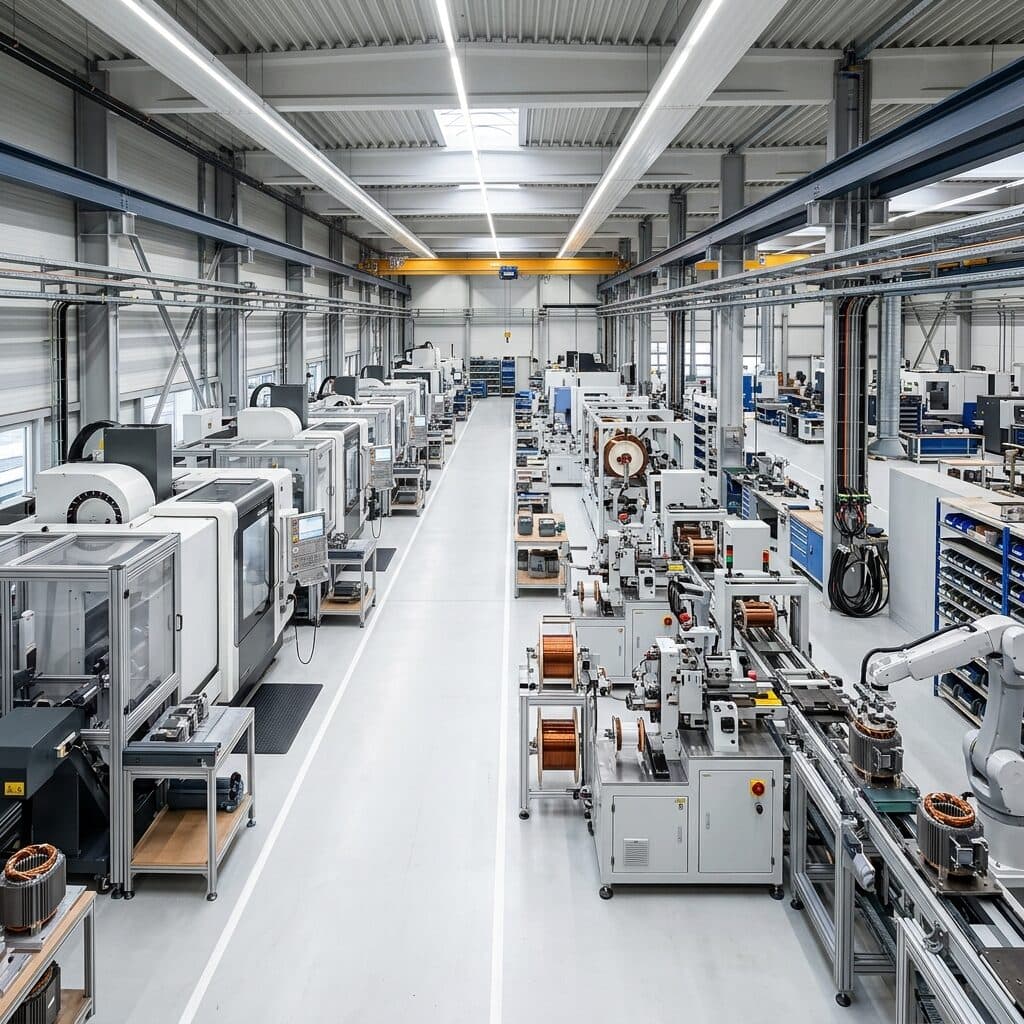
OEM production floor supporting prototype-to-production transfer for motor components

Capability Highlights

  • Requirement baseline and drawing-revision control before sample build
  • Prototype sample planning with measurable acceptance gates
  • Pilot process checkpoints for winding, stamping, impregnation, balancing, and EOL tests
  • Packaging, shipment, and document planning for international buyers
  • Forecast, tooling, and ramp discussions before commercial release

Typical Engagement Scope

  • EV and e-axle engineering sample programs
  • Industrial SynRM retrofit pilot lots
  • Wound rotor and hairpin stator validation builds
  • Supplier replacement projects needing controlled ramp-up

Execution Focus

  • Separating proof-of-concept assumptions from production-ready requirements
  • Revision freeze, deviation handling, and engineering-change governance
  • Sample acceptance criteria tied to torque-speed, thermal, electrical, and dimensional checks
  • Tooling, fixture, and process capability decisions before pilot lot release
  • Delivery cadence, export packaging, and document control for global supply programs

Program Evaluation Matrix

Program MetricTypical RangeProcurement Value
Program StagePrototype / validation / pilot / repeat productionPrevents quoting a production process for an immature design or underscoping a launch-ready transfer.
Acceptance GatesSample, pilot, and lot-release criteriaKeeps engineering sign-off, procurement release, and supplier execution aligned.
Change ControlRevision baseline with deviation logProtects buyers from uncontrolled drawing changes during ramp-up.

Program Control Flow

Process StepBuyer EvidenceAcceptance Gate
Design maturity classificationConcept/prototype/pilot status, open-risk list, drawing maturity, and expected supplier engineering scope.Quote separates exploratory engineering from production-ready manufacturing commitments.
Sample gate definitionSample quantity, pass/fail criteria, test records, drawing revision, deviation policy, and target timeline.Both teams know what evidence releases the project to the next build stage.
Pilot process stabilizationFixture plan, tooling route, process checkpoints, lot traceability, first-article inspection, and yield notes.Pilot build proves the process can repeat beyond one-off prototype success.
Repeat-order readinessForecast, packaging, Incoterms, document list, replenishment cadence, and engineering-change workflow.Procurement can place repeat orders without renegotiating technical and logistics basics each time.

RFQ Preparation Checklist

  1. Current design maturity: concept, prototype, validation, pilot, or production transfer
  2. Known open items, risk list, and expected engineering support from the supplier
  3. Sample quantity, pilot quantity, annual forecast, and target launch timeline
  4. Acceptance gates for sample, pilot, and mass-production release
  5. Tooling ownership, change-control terms, packaging needs, and destination country
Risk and Mitigation

  • Prototype success does not transfer to production: Define tooling, fixtures, inspection checkpoints, and pilot criteria before repeat orders.
  • Late design changes reset lead time: Use revision baseline and formal deviation handling for changes after sample approval.
  • Commercial launch without logistics planning: Agree packaging, labels, certificates, Incoterms, and shipment documents before pilot release.

Related Products

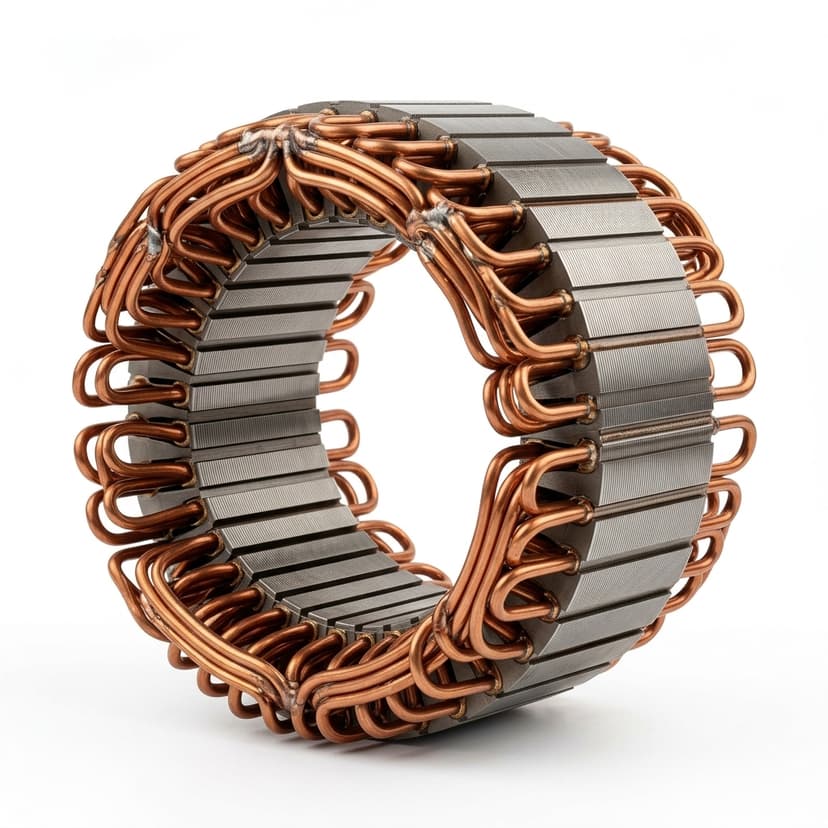
Hairpin stator sample used for prototype and pilot production planning
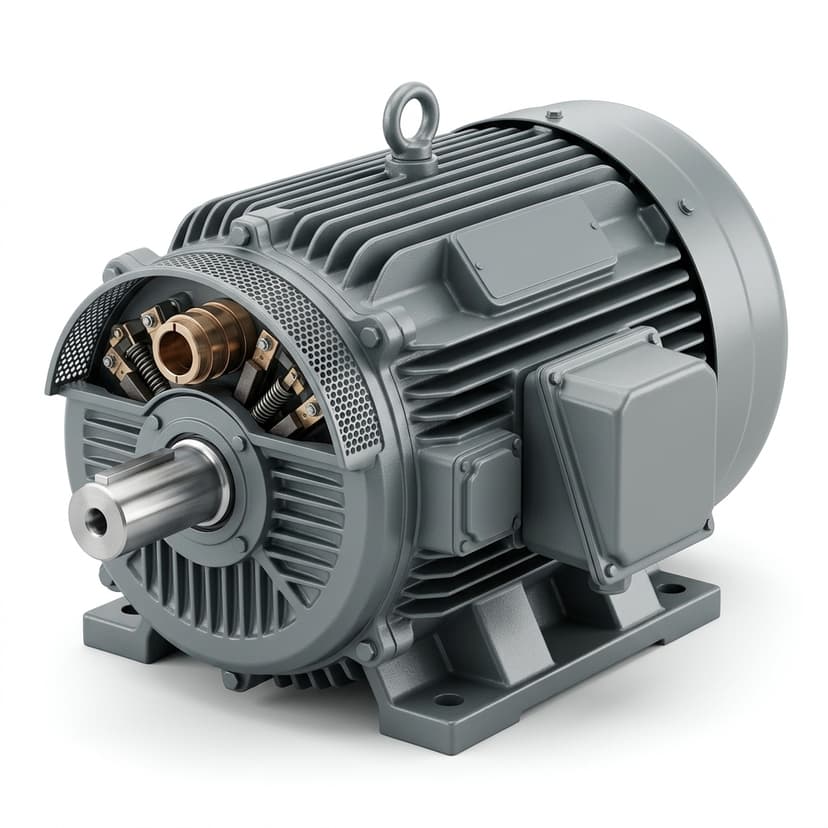
Wound rotor motor sample for validation and repeat production transfer

Buyer FAQ

Can we start before every drawing is final?

Yes, but open items should be labeled clearly so the quotation separates provisional assumptions from production-ready requirements.

How do you handle engineering changes after sample approval?

Changes should be released through a revision-controlled request with affected lots, cost, timing, and validation impact agreed before implementation.

Do you support small batches before mass production?

Yes. Pilot and small-batch builds are often the best way to confirm manufacturing stability before larger forecasts are committed.

Related Resources

  • Contact / RFQ
  • EV Traction & E-Axles
  • IE5 SynRM Products
  • WRSM / EESM Products

Inquiry Email

[email protected]

Email app

Include target torque/speed, quantity, and delivery location.

Instant Chat

+86 18857971991

Chat on WhatsApp

Direct response from our engineering team.