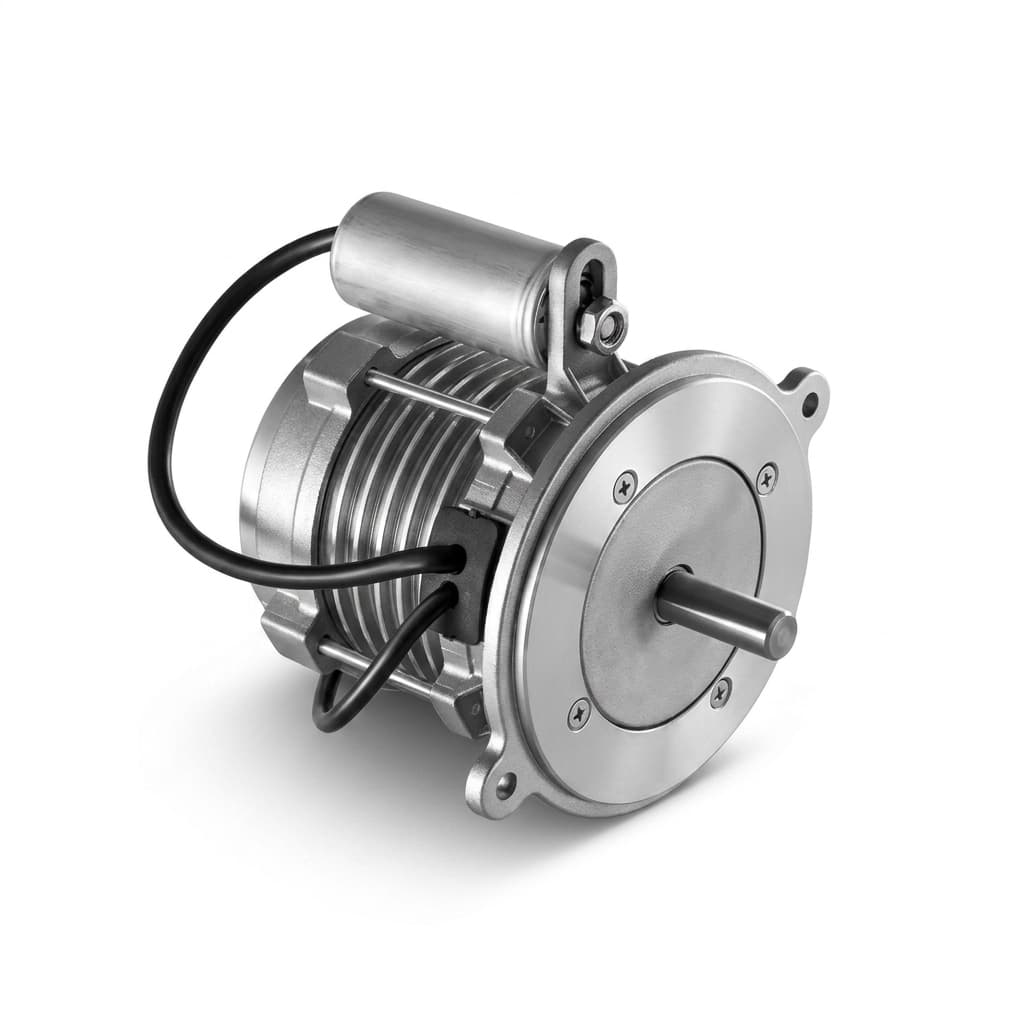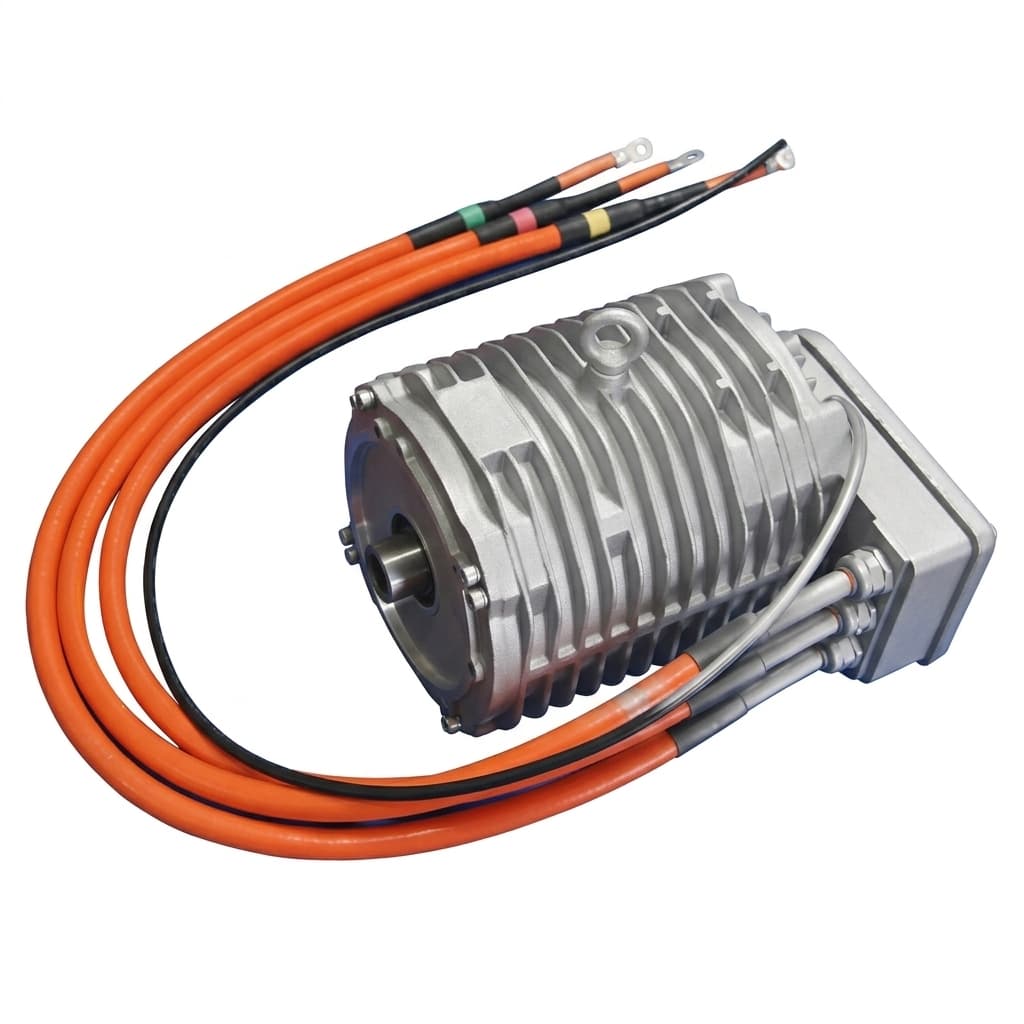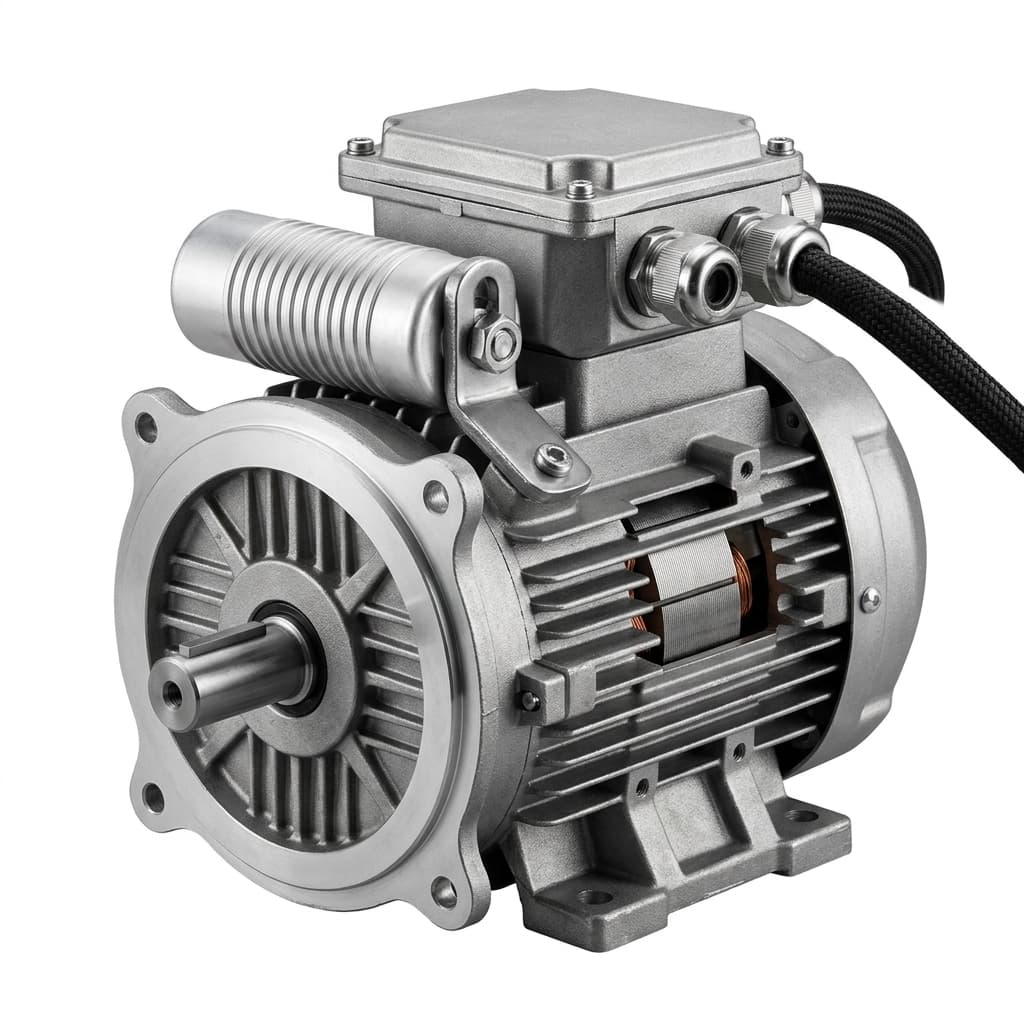
Motor Architectures & Components
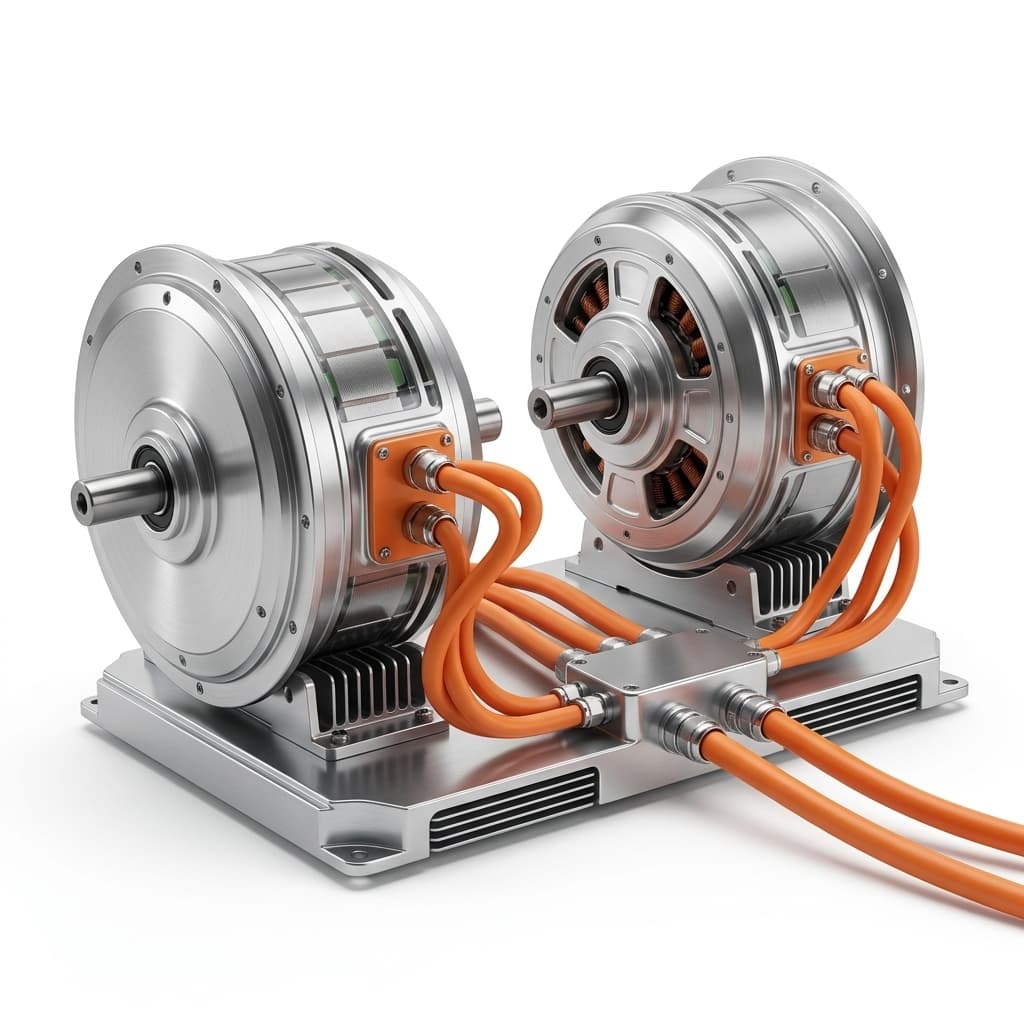
SynRM, EESM/WRSM, SRM, hairpin stators, wound rotors, lamination stacks, insulation, balancing, and excitation interface support.
Manufacturing support for SynRM, EESM/WRSM, SRM, hairpin stators, wound rotors, lamination stacks, and excitation components, with DFM, sample validation, quality records, and export delivery planning in one RFQ path.
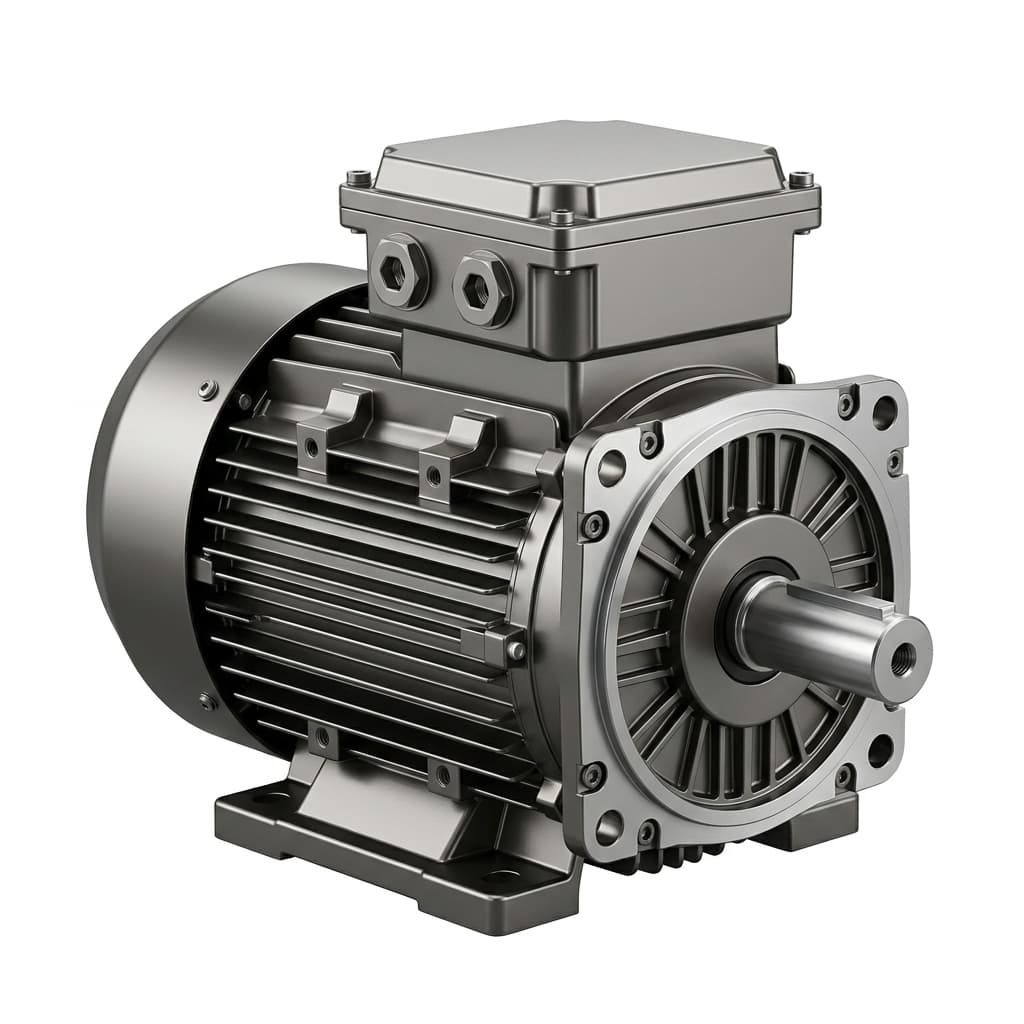
SynRM, EESM/WRSM, and SRM paths.
Efficiency evidence defined before samples.
RFQ inputs aligned to future programs.
Capabilities Buyers Can Qualify Quickly
Screen whether your program fits our manufacturing window before opening drawings, commercial terms, and sample acceptance criteria.
SynRM, EESM/WRSM, SRM, hairpin stators, wound rotors, lamination stacks, insulation, balancing, and excitation interface support.
Review power, voltage, torque-speed curve, frame, shaft, mounting, cooling, lead exit, connector, insulation class, and material constraints before quotation.
Incoming material checks, lamination dimensions, winding resistance, hipot/insulation tests, VPI records, balance reports, and outgoing inspection can be aligned to the sample plan.
Separate prototype, validation, pilot, and repeat supply milestones; confirm tooling, sample acceptance, packaging, destination, and document requirements early.
Rare-earth-free motor sourcing is not only a product search. It is a qualification process across engineering fit, manufacturing scope, quality evidence, lead time, and sample-to-production risk.
Screen SynRM, EESM/WRSM, SRM, hairpin stator, wound rotor, lamination stack, and excitation component fit before sharing drawings.
Confirm power, voltage, torque-speed curve, shaft, frame, mounting, cooling, insulation class, connector, lead exit, and material constraints.
Align incoming material checks, dimensional inspection, winding resistance, hipot, insulation, VPI, balancing, and outgoing evidence records.
Separate prototype, validation, pilot, and repeat-production milestones so tooling, acceptance gates, packaging, and export documents are clear.
Capability Snapshot
First-screen signals for engineering and procurement teams screening a rare-earth-free motor supplier.
Architecture Review
DFM Review Path
Traceable Quality Records

A structured approach to evaluating rare-earth-free architectures, from initial technical fit to mass production validation.
Start with motor architecture, component scope, target power, torque-speed window, voltage, duty cycle, and required documents.
Check thermal envelope, VFD or inverter assumptions, cooling, packaging, mounting, duty cycle, and environmental exposure before sample planning.
Agree drawing revision, DFM feedback, sample acceptance, inspection records, pilot quantity, packaging, and delivery milestones before commercial release.

Manufacturing support for R&D samples, validation builds, and repeat supply planning. Align drawing control, CTQ records, end-of-line test scope, and export packaging before release.
Manufacturing paths for buyers comparing complete motor architectures, critical components, and build-to-print support without permanent magnet dependency.

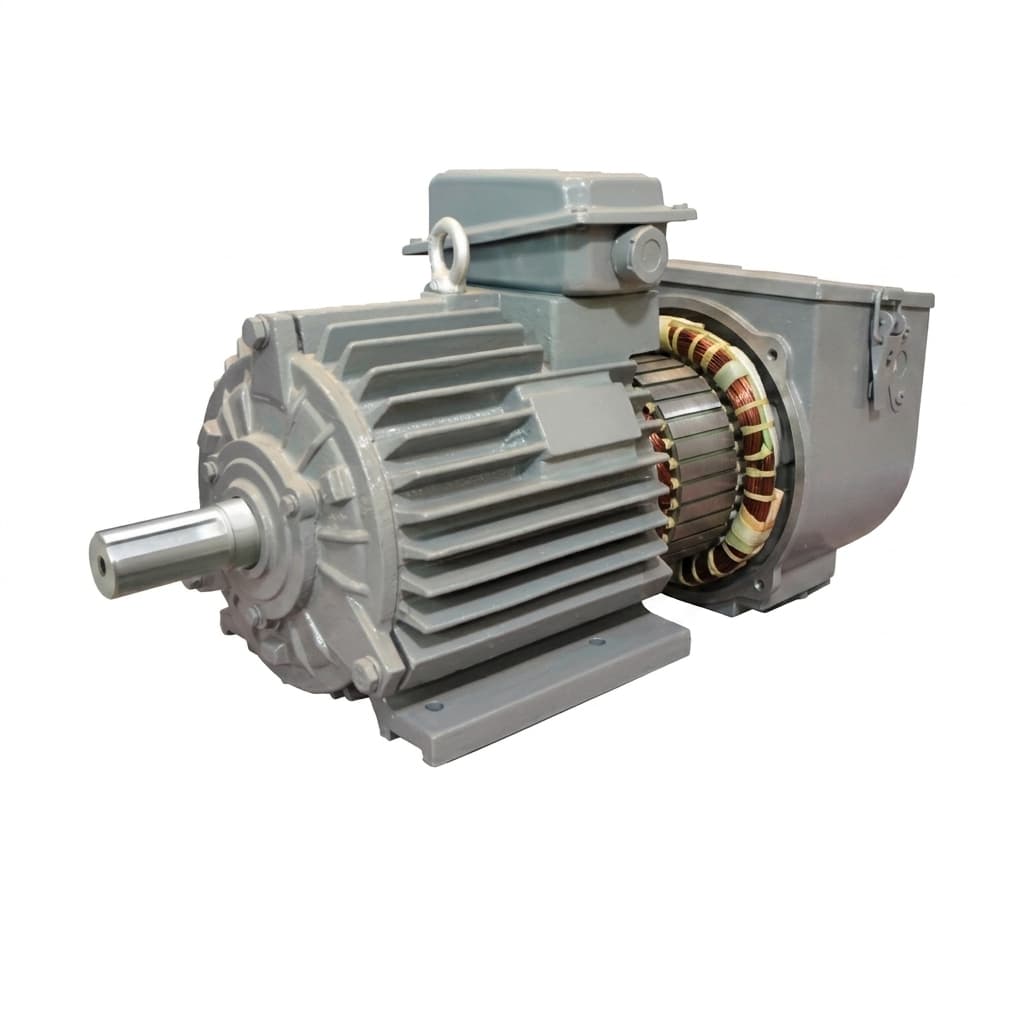
IE4/IE5-target synchronous reluctance programs for pumps, fans, compressors, and induction-motor replacement projects.

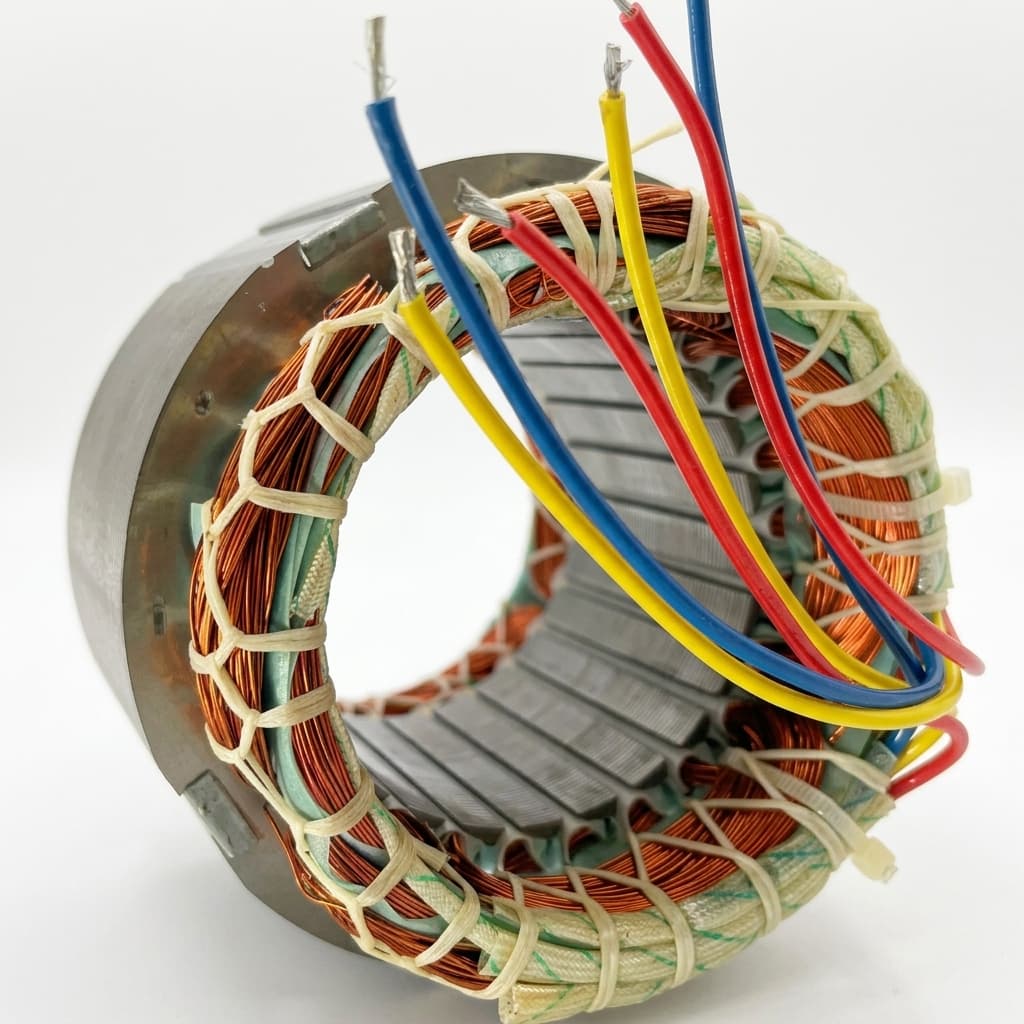
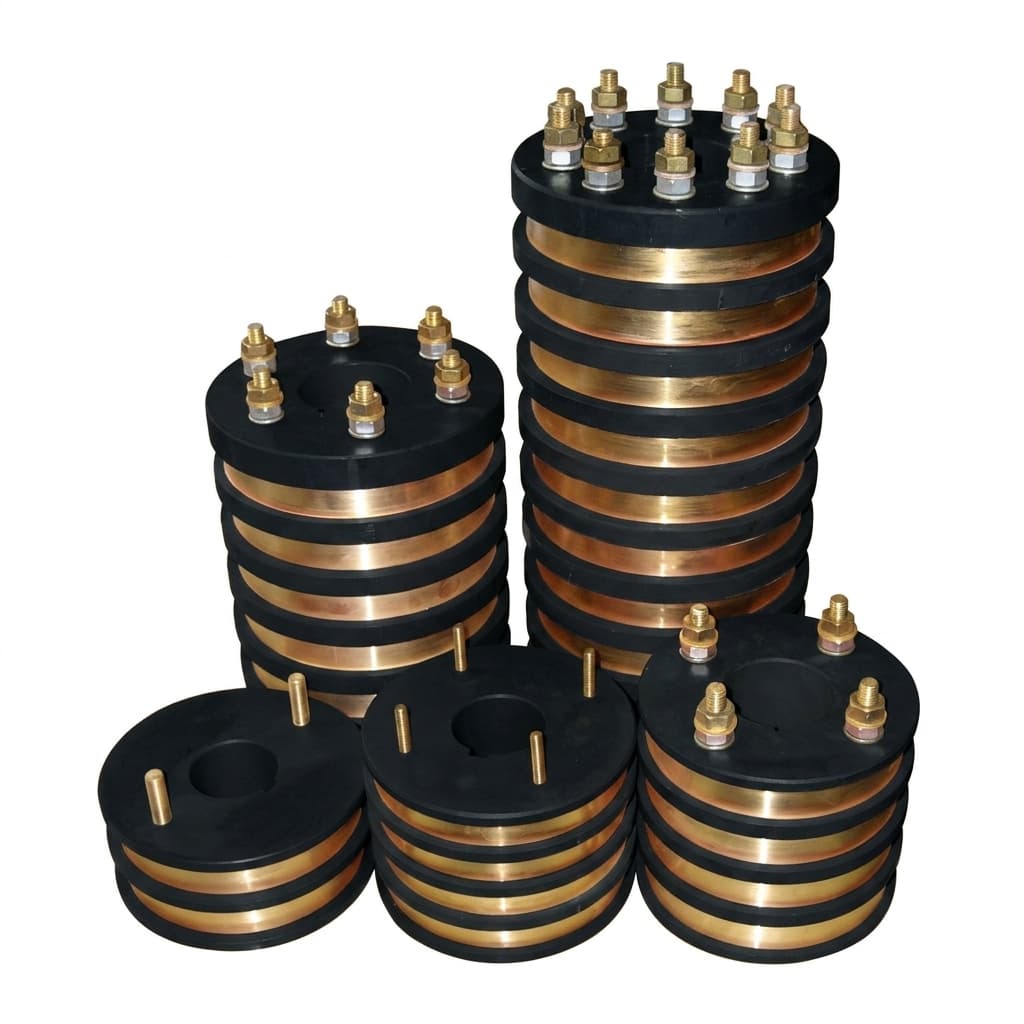
Wound rotor synchronous manufacturing support for rare-earth-free traction and high-speed flux-weakening applications.

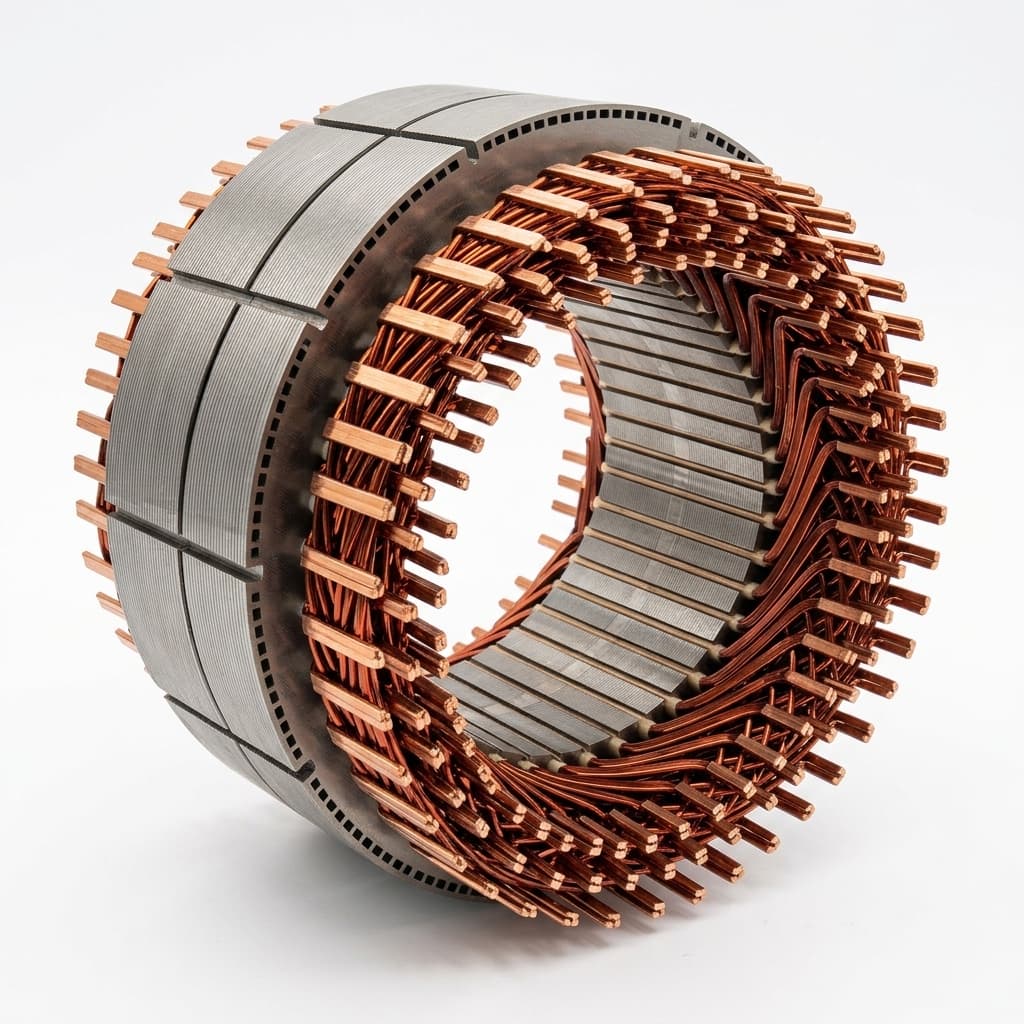
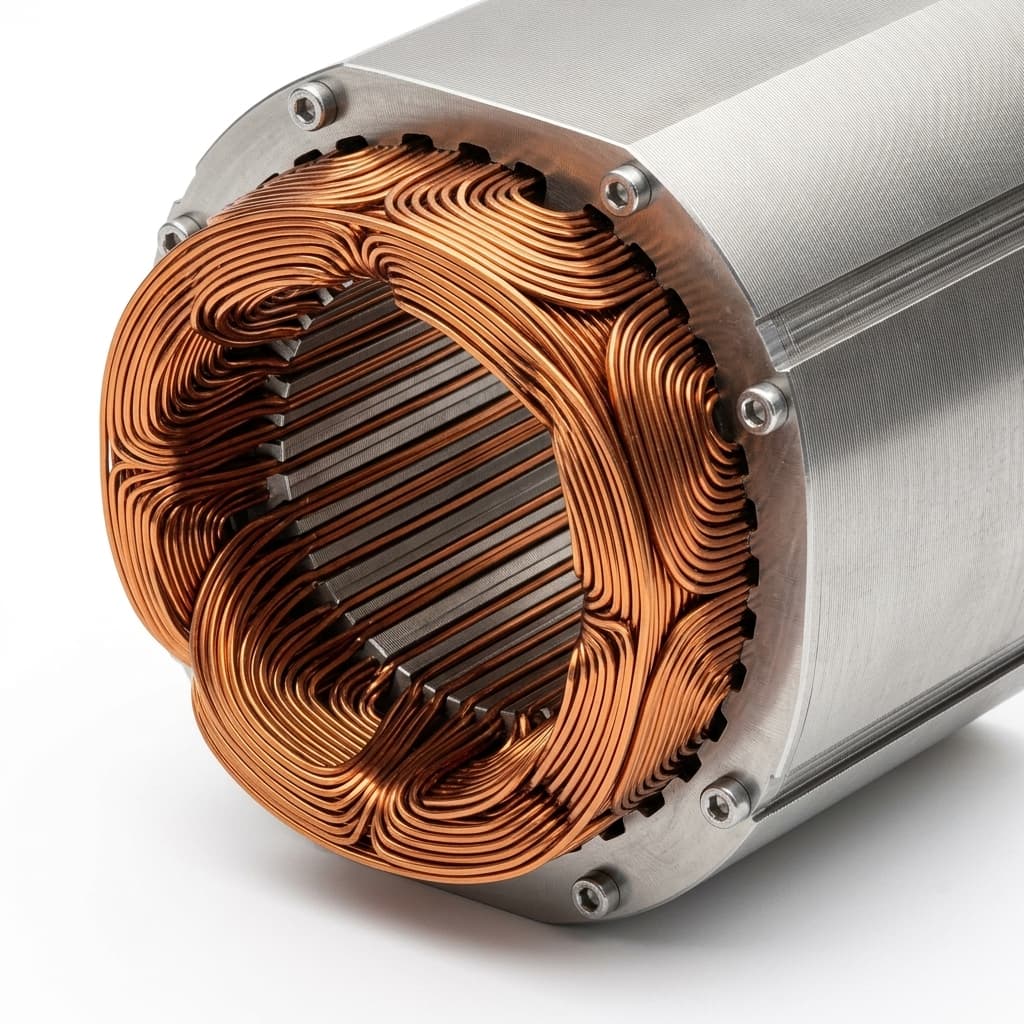
Flat-wire stator planning around bend repeatability, weld resistance, slot fill, clearance, and insulation stack-up.
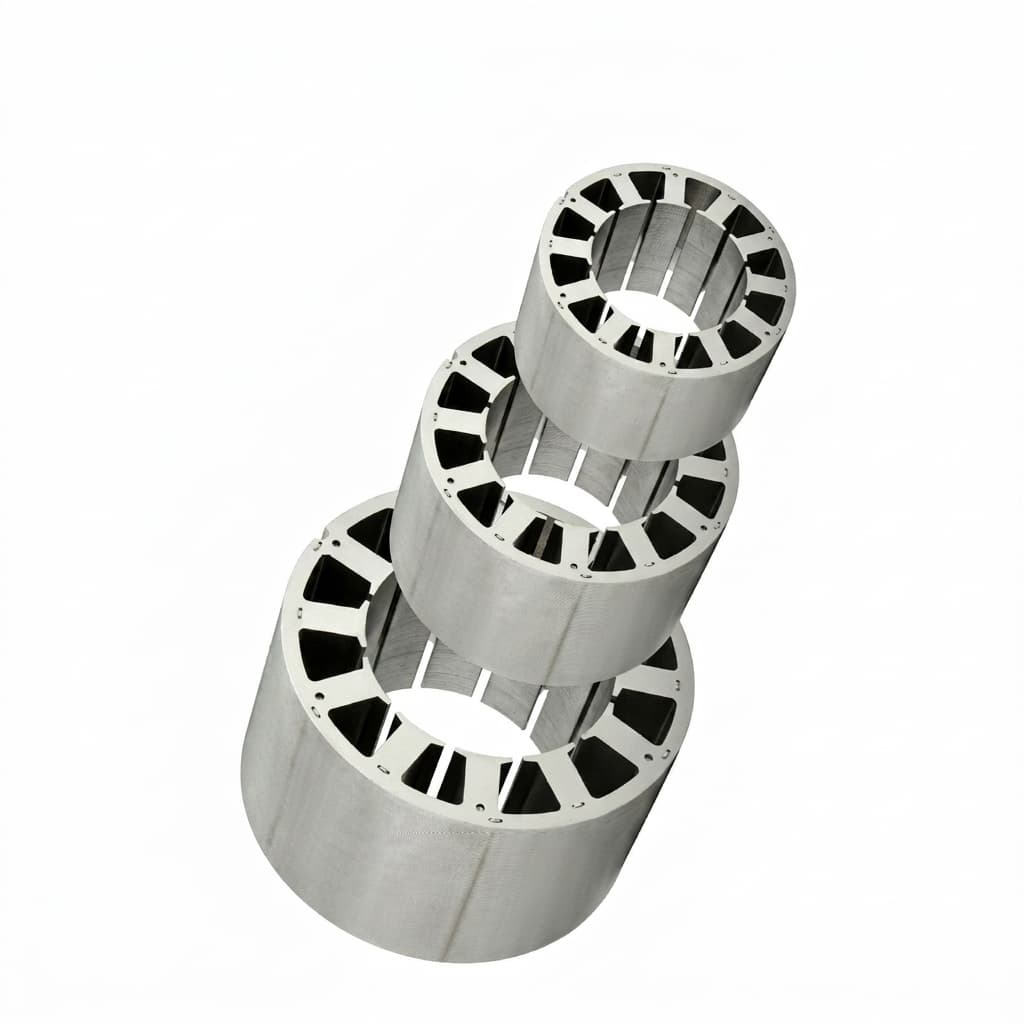
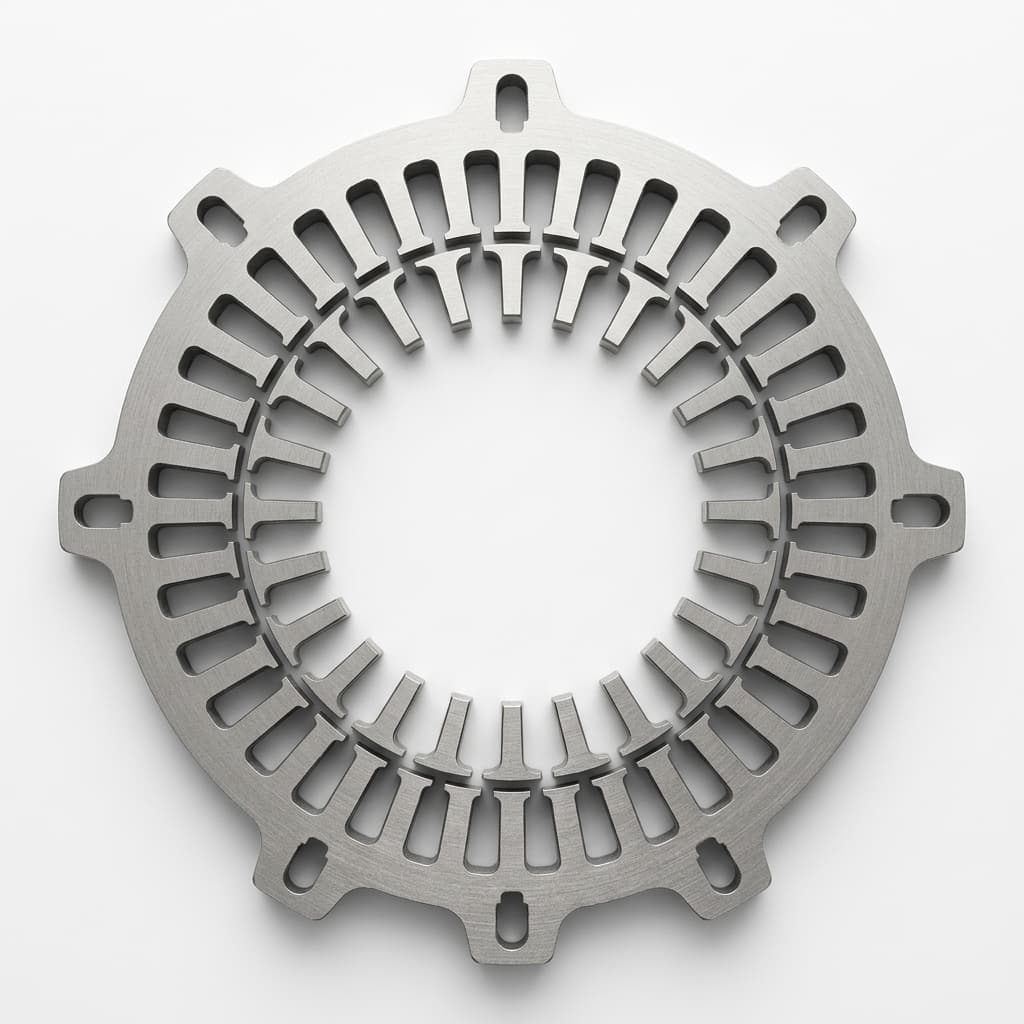
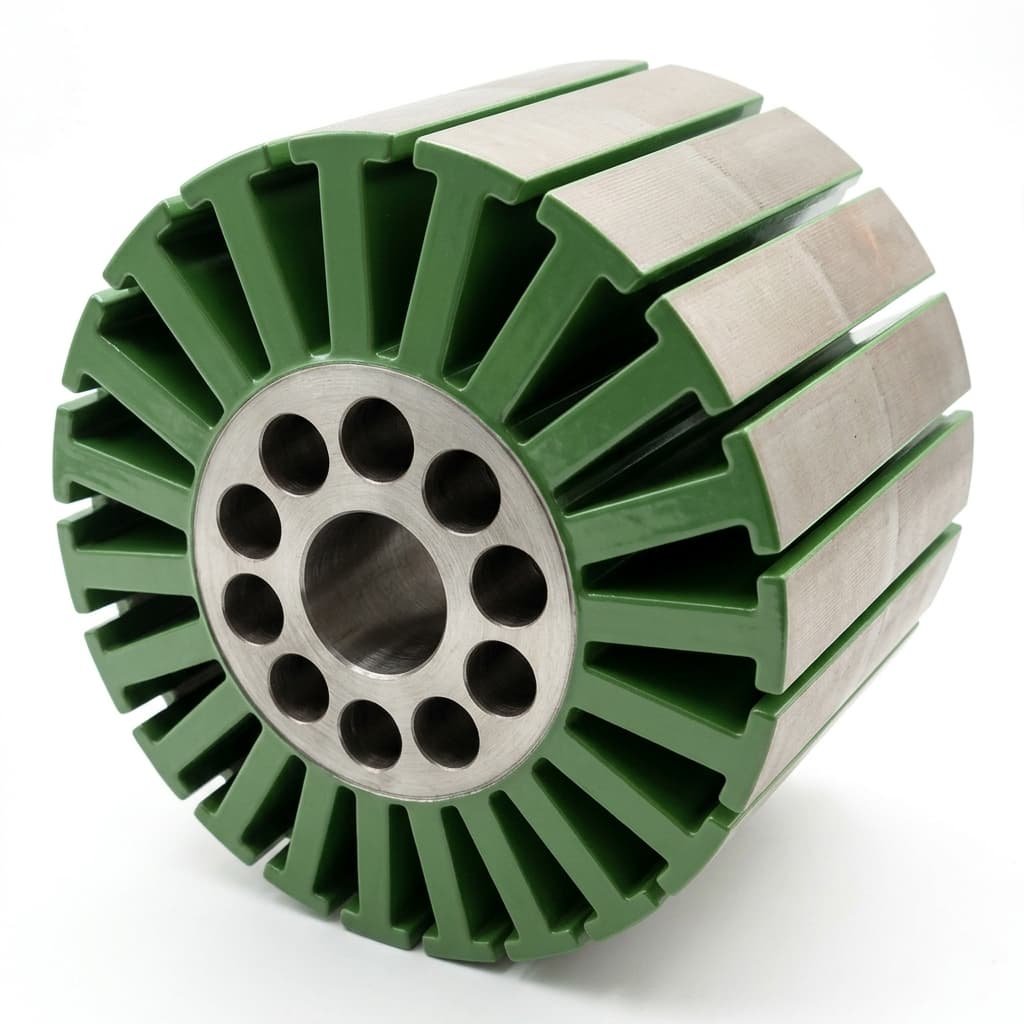
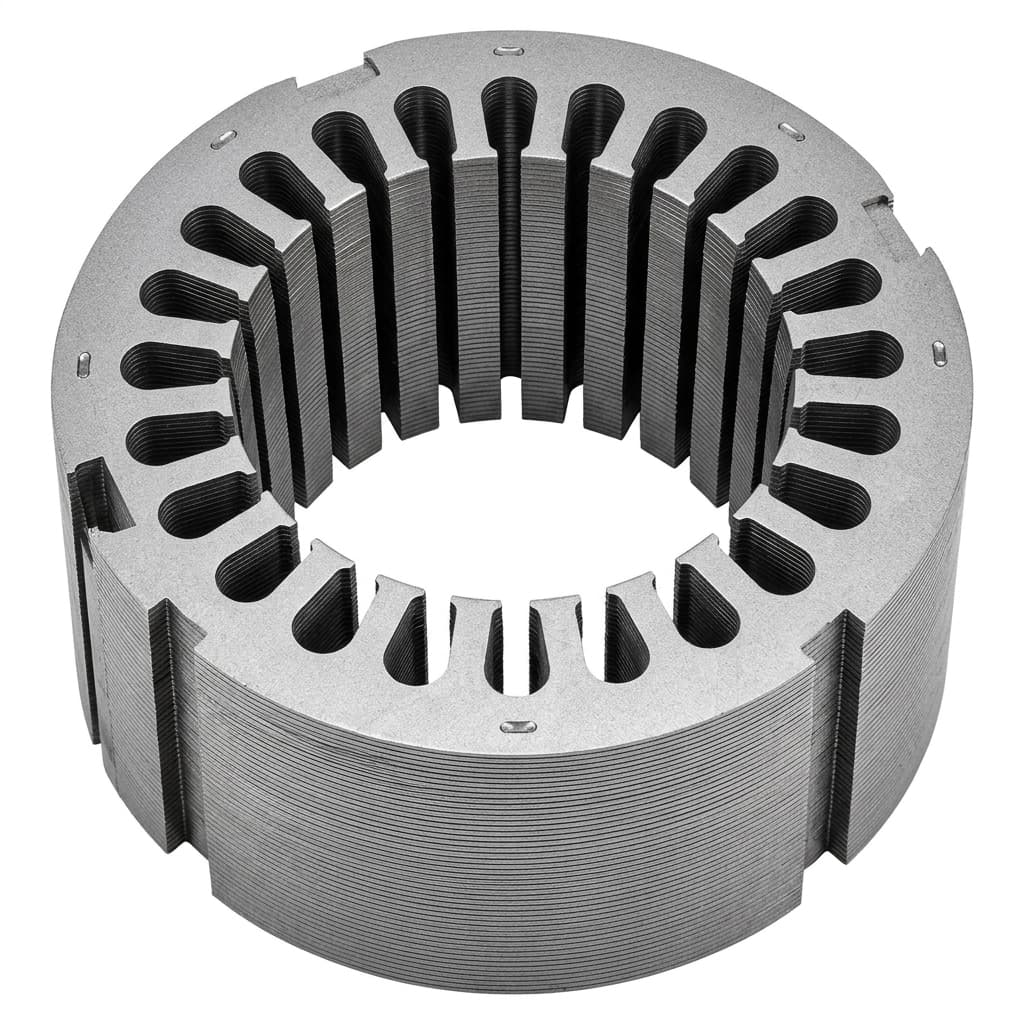
Rotor and stator lamination support for stamped electrical steel, stack height, coating, burr, and tooling control.
This quick matrix helps cross-functional teams compare major options before opening a detailed RFQ thread.
Best for procurement managers, plant engineers, and equipment OEMs reviewing IE3 induction motor replacement under EU 2019/1781, DOE 2027 planning, and energy-cost targets.
Best for OEM EV engineering, Tier-1 drivetrain, and advanced mobility teams migrating away from PMSM platforms while keeping high-speed efficiency and supply-chain control.
Best for engineers dealing with extreme environments where conventional motors fail due to heat, vibration, overload, or maintenance limits.
Best for EV OEM and Tier-1 teams that already own electromagnetic design but need China-based hairpin winding production support.
Best for engineering teams reducing NdFeB dependency while keeping control over rotor flux and high-speed efficiency.
Best for motor designers and sourcing teams that need traceable electrical steel cores for rare-earth-free architectures.
| Family | Best Fit | Key Metric | Why It Matters |
|---|---|---|---|
| Synchronous Reluctance Motors (SynRM) | Best for procurement managers, plant engineers, and equipment OEMs reviewing IE3 induction motor replacement under EU 2019/1781, DOE 2027 planning, and energy-cost targets. | Efficiency Class: IE4 / IE5 | Defines the compliance direction, test evidence, and buyer-side TCO model. |
| Wound Rotor Synchronous Motors (WRSM) | Best for OEM EV engineering, Tier-1 drivetrain, and advanced mobility teams migrating away from PMSM platforms while keeping high-speed efficiency and supply-chain control. | Power Density: >= 1.6 kW/kg target review | Critical for EV weight reduction and range extension. |
| Switched Reluctance Motors (SRM) | Best for engineers dealing with extreme environments where conventional motors fail due to heat, vibration, overload, or maintenance limits. | Rotor Durability: Laminated steel, no rotor winding | Removes magnet demagnetization and rotor-winding failure modes in harsh duty. |
| Hairpin Stator Winding | Best for EV OEM and Tier-1 teams that already own electromagnetic design but need China-based hairpin winding production support. | Voltage Platform: 400V / 800V class | Determines insulation stack-up, clearance, and validation depth before sample approval. |
| EESM Rotor Assemblies | Best for engineering teams reducing NdFeB dependency while keeping control over rotor flux and high-speed efficiency. | Validation Evidence: Resistance, hipot, insulation, VPI, balance | Rotor reliability is the gating issue for EESM adoption in traction and high-speed duty. |
| Rotor & Stator Lamination Stacks | Best for motor designers and sourcing teams that need traceable electrical steel cores for rare-earth-free architectures. | Lamination Thickness: 0.20-0.50 mm electrical steel | Controls iron loss, heat generation, and high-speed efficiency in magnet-free motors. |
Good-fit projects usually have a defined duty cycle, a clear manufacturing scope, and a need to connect engineering samples with controlled supply planning.
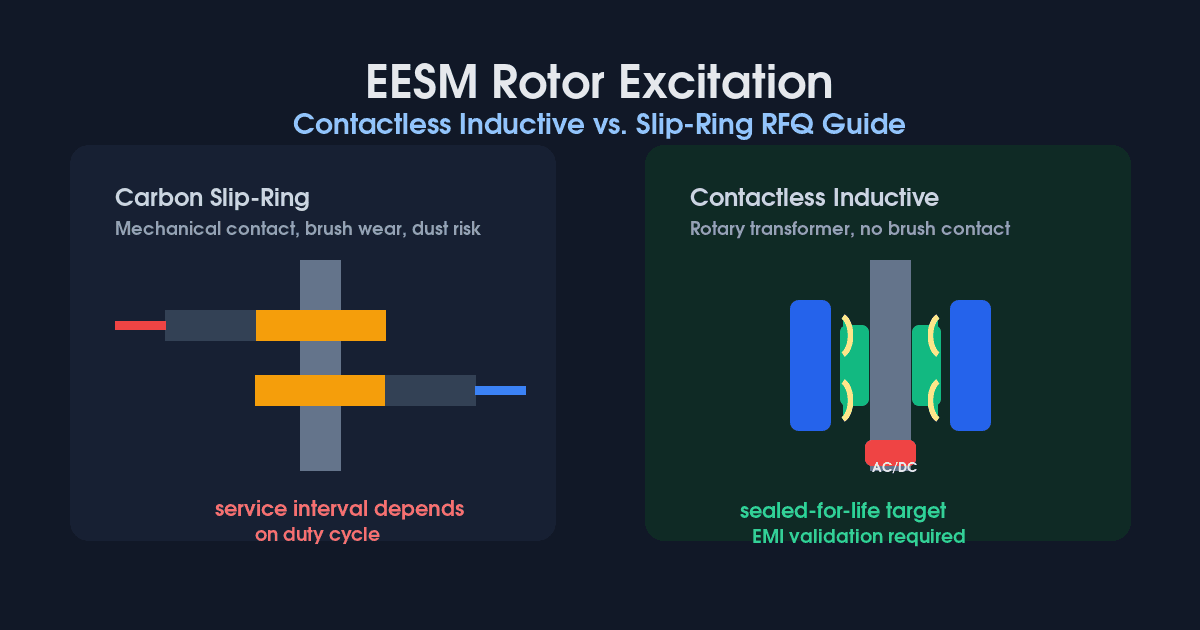
Practical buyer-side checklists, decision frameworks, and technical insights from our manufacturing engineering team.

A buyer's guide to auditing motor manufacturers. Learn how to evaluate testing labs, dyno capacity, and quality control in magnet-free motor production.


Understand the IE5 Ultra-Premium Efficiency standard. Learn how Synchronous Reluctance Motors (SynRM) achieve IE5 compliance without rare-earth magnets.


An engineering deep dive comparing IE5 Synchronous Reluctance Motors (SynRM) against traditional induction motors for heavy-duty industrial applications.

FAQ
Share your specs and procurement timeline to receive engineering feedback and quotation support.
Inquiry Email
Include target torque/speed, quantity, and delivery location.
If your team is evaluating magnet-free motor suppliers, start with a workflow that combines technical fit, validation criteria, and delivery planning in one track. This avoids the common failure mode where model selection looks correct on paper but fails during commissioning or pilot ramp.
Check architecture, drawing status, performance target, quantity, and missing inputs.
Confirm manufacturability, tooling path, CTQ dimensions, test scope, and sample acceptance.
Build samples with agreed inspection records, electrical tests, balance evidence, and packaging.
Freeze revision control, lot-release records, lead time, export documents, and replenishment cadence.
Compare product families, integration options, and RFQ input requirements.
Review scenario-based risk controls and measurable validation checkpoints.
Review buyer-side checklists, sourcing methods, and design notes before freezing specs.
Understand team profile, process capability, and cooperation model before shortlisting a supplier.
Understand DFM, prototype control, quality records, and export delivery governance.
Use the inquiry checklist to reduce quote loops and get a faster actionable response.
| Decision Stage | Best Page | What You Gain |
|---|---|---|
| Architecture fit | Products | Compare product families, integration options, and RFQ input requirements. |
| Application risk | Solutions / Applications | Review scenario-based risk controls and measurable validation checkpoints. |
| Reference research | Engineering Blog | Review buyer-side checklists, sourcing methods, and design notes before freezing specs. |
| Commercial baseline | About | Understand team profile, process capability, and cooperation model before shortlisting a supplier. |
| Supplier execution | Factory Capabilities | Understand DFM, prototype control, quality records, and export delivery governance. |
| Execution start | Contact / RFQ | Use the inquiry checklist to reduce quote loops and get a faster actionable response. |
For deeper decision support, review our engineering blog where each post includes practical buyer-side checklists.