Magnet Free Motor logoMagnet-Free Motor
Start inquiry
Magnet Free Motor logoMagnet-Free Motor
WhatsApp
Magnet Free Motor logoMagnet-Free Motor

China-based rare-earth-free motor manufacturing partner supporting customization, quality control, and global delivery.

Inquiry Email

[email protected]

Email app

Include target torque/speed, quantity, and delivery location.

Instant Chat

+86 18857971991

Chat on WhatsApp

Direct response from our engineering team.

Products
  • IE5 SynRM
  • WRSM / EESM
  • SRM
  • Hairpin Stator
  • EESM Rotor
  • Lamination Stacks
Solutions
  • EV Traction
  • Industrial & HVAC
  • Aerospace Electrification
Manufacturing
  • OEM Capabilities
  • Quality & Validation
  • Prototype Transfer
Resources
  • Blog
  • About
  • Contact / RFQ
  • Privacy Policy
  • Cookie Policy
  • Terms of Service
© 2026 Magnet-Free Motor. All Rights Reserved.|Backed by Linkup Ai Co., Ltd. Manufacturing delivered by the Advanced Manufacturing Division of Linkup Precision.
← Back to Solutions

Aerospace Electrification

Rare-earth-free motor component support for aerospace electrification, high-speed generator, actuator, and advanced mobility prototypes where mass, thermal limit, vibration, and validation evidence must be defined early.

Target Buyer:Aerospace electrification and advanced mobility teams balancing mass, thermal limits, and supply-chain risk.
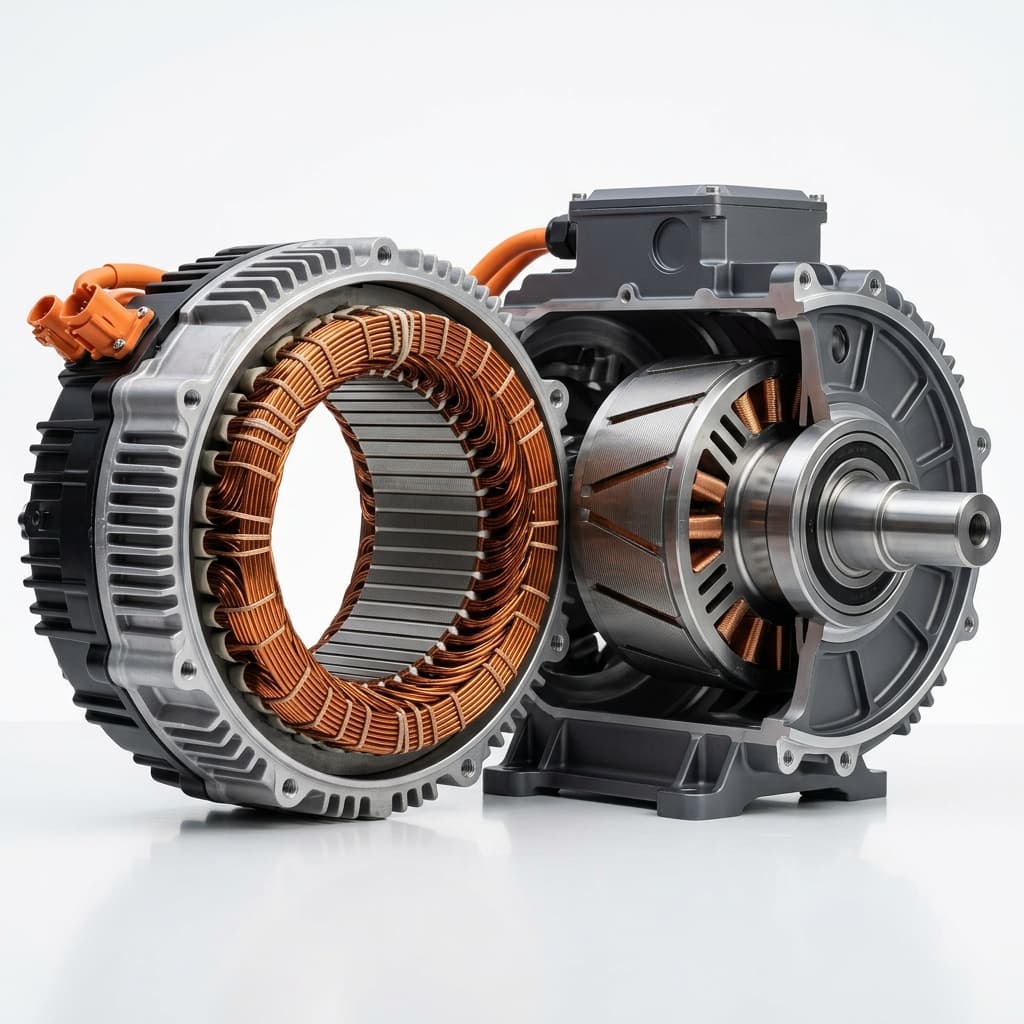
High power-density electric motor architecture for aerospace electrification review

Solution Highlights

  • Magnet-free architecture screening for EESM, SRM, SynRM, and component-only paths
  • Lightweight stator, rotor, lamination, and field-winding component support
  • High-speed rotor retention, balancing, and overspeed evidence planning
  • Thermal, insulation, vibration, and environmental validation planning
  • Prototype evidence separation from certification-grade aerospace requirements
  • Build-to-print support for R&D teams that own electromagnetic design

Common Use Cases

  • Electric propulsion R&D and advanced mobility demonstrators
  • High-speed generator and starter-generator prototypes
  • Actuation, auxiliary drive, and thermal-management motor systems
  • Rare-earth-free rotor, stator, and lamination samples for mass-sensitive platforms
  • Ground-test prototypes before formal aerospace certification scope is defined

Implementation Focus

  • Power-density and thermal boundary definition
  • High-speed rotor retention and balancing assumptions
  • Insulation class, vibration, and environmental validation planning
  • Mass target, envelope constraint, shaft interface, and cooling route
  • Separating prototype manufacturing evidence from flight or certification evidence

Application Evaluation Matrix

Evaluation MetricTypical RangeBuyer Relevance
Design StagePrototype / pilot validationAerospace programs need early manufacturability review before design freeze.
Mass and Envelope TargetProject-specific package limitWeight and packaging constraints drive lamination, winding, cooling, and shaft-interface choices.
High-Speed MarginMax speed and overspeed target by test planRotor retention, balancing, and material choices depend on the mechanical speed case.
Thermal BoundaryAir / liquid / oil / customer cooling routeThermal assumptions define continuous power and insulation aging risk.
Evidence BoundaryPrototype records vs certification packageAvoids confusing manufacturing validation support with formal aircraft certification.

Application Qualification Flow

Process StepBuyer EvidenceAcceptance Gate
Prototype boundary definitionGround-test scope, certification boundary, performance target, mass envelope, speed target, and environmental assumptions.Buyer and supplier agree what is prototype evidence versus certification-owned evidence.
Architecture and component scopeMotor architecture choice, stator/rotor/lamination scope, cooling route, shaft interface, and material constraints.Manufacturing scope is clear enough for DFM and sample quotation.
High-speed and insulation validation planBalance grade, overspeed target, vibration assumptions, hipot/IR/surge needs, and thermal test plan.Prototype samples have measurable electrical and mechanical acceptance gates.
Evidence package and iteration decisionDimensional, material, electrical, balance, thermal, and photo records with revision traceability.Buyer can decide whether to iterate, expand ground testing, or move to a higher-assurance build.

RFQ Preparation Checklist

  1. Power, speed, duty cycle, and cooling assumptions
  2. Mass target, envelope limits, and shaft/interface drawings
  3. Prototype test plan and expected evidence package
  4. Vibration, shock, temperature, altitude, and environmental screening assumptions
  5. Component scope: stator, rotor, lamination, winding, excitation, or assembly
  6. Certification boundary, ground-test scope, delivery country, and document needs
Risk and Mitigation

  • Under-defined validation scope: Separate proof-of-concept samples from flight or certification-grade expectations in the RFQ.
  • Weight target conflicts with thermal margin: Review mass budget, cooling route, continuous power, duty cycle, and insulation class before sample build.
  • High-speed rotor assumptions are incomplete: Freeze max speed, overspeed target, balance grade, shaft interface, and rotor retention evidence before quotation.
  • Certification expectations are implied but not scoped: Document which records are manufacturing validation records and which certification records remain buyer-owned or third-party scoped.

Recommended Products

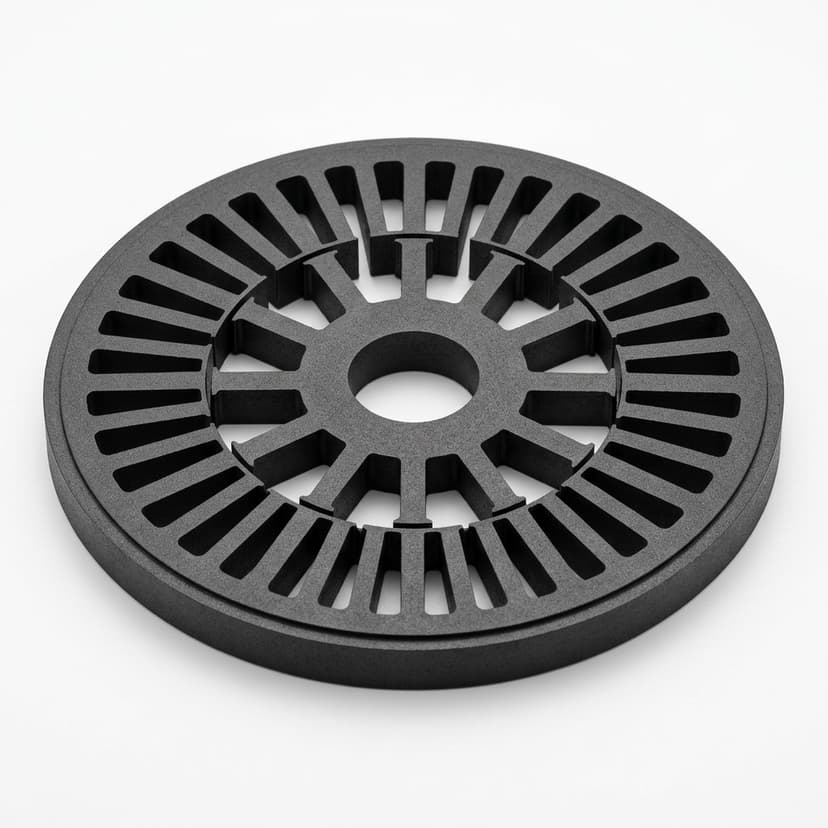
Lightweight magnet-free lamination geometry for aerospace motor prototyping
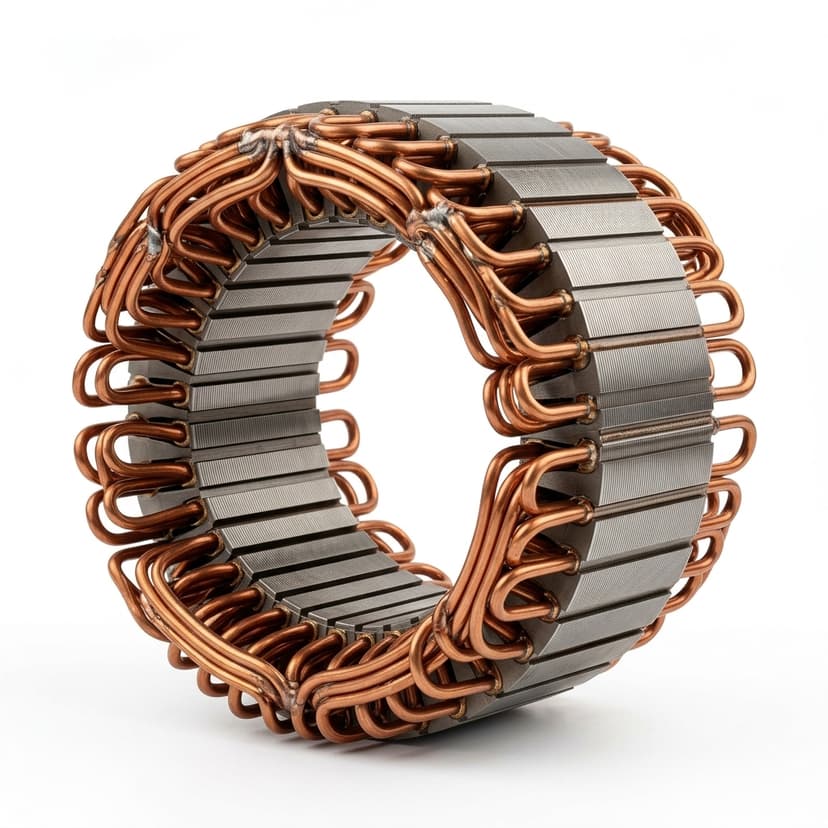
Compact copper winding package for high power-density electrified propulsion programs

Buyer FAQ

Do you provide certified aerospace motors?

We support component manufacturing and prototype validation planning; certification scope must be agreed project by project.

Can you support only stator, rotor, or lamination samples?

Yes. Aerospace and advanced mobility projects often start with component-only samples for ground-test validation before full motor sourcing.

What should be defined before an aerospace prototype RFQ?

Define mass target, envelope, speed, overspeed, cooling, duty cycle, environmental assumptions, component scope, and the exact evidence package needed for your next gate.

How do you avoid overclaiming certification support?

We separate manufacturing validation records from formal certification deliverables and align any certification-related work as a project-specific scope.

Related Resources

  • EESM Rotor Assemblies
  • Rotor & Stator Lamination Stacks
  • WRSM / EESM Motor Programs
  • Switched Reluctance Motors
  • Quality & Validation Evidence
  • Contact Engineering / RFQ

Inquiry Email

[email protected]

Email app

Include target torque/speed, quantity, and delivery location.

Instant Chat

+86 18857971991

Chat on WhatsApp

Direct response from our engineering team.