Magnet Free Motor logoMagnet-Free Motor
Start inquiry
Magnet Free Motor logoMagnet-Free Motor
WhatsApp
Magnet Free Motor logoMagnet-Free Motor

China-based rare-earth-free motor manufacturing partner supporting customization, quality control, and global delivery.

Inquiry Email

[email protected]

Email app

Include target torque/speed, quantity, and delivery location.

Instant Chat

+86 18857971991

Chat on WhatsApp

Direct response from our engineering team.

Products
  • IE5 SynRM
  • WRSM / EESM
  • SRM
  • Hairpin Stator
  • EESM Rotor
  • Lamination Stacks
Solutions
  • EV Traction
  • Industrial & HVAC
  • Aerospace Electrification
Manufacturing
  • OEM Capabilities
  • Quality & Validation
  • Prototype Transfer
Resources
  • Blog
  • About
  • Contact / RFQ
  • Privacy Policy
  • Cookie Policy
  • Terms of Service
© 2026 Magnet-Free Motor. All Rights Reserved.|Backed by Linkup Ai Co., Ltd. Manufacturing delivered by the Advanced Manufacturing Division of Linkup Precision.
← Back to Products

Wound Rotor Synchronous Motors (WRSM)

High power-density externally excited synchronous motor programs for EV traction and e-axle teams eliminating NdFeB supply-chain risk while retaining controllable rotor flux.

Target Buyer:Best for OEM EV engineering, Tier-1 drivetrain, and advanced mobility teams migrating away from PMSM platforms while keeping high-speed efficiency and supply-chain control.

Engineering Assets

Request reference specifications and STEP models without a registration gate. We confirm the correct package after a quick project-fit check.

Request DatasheetRequest STEP Model
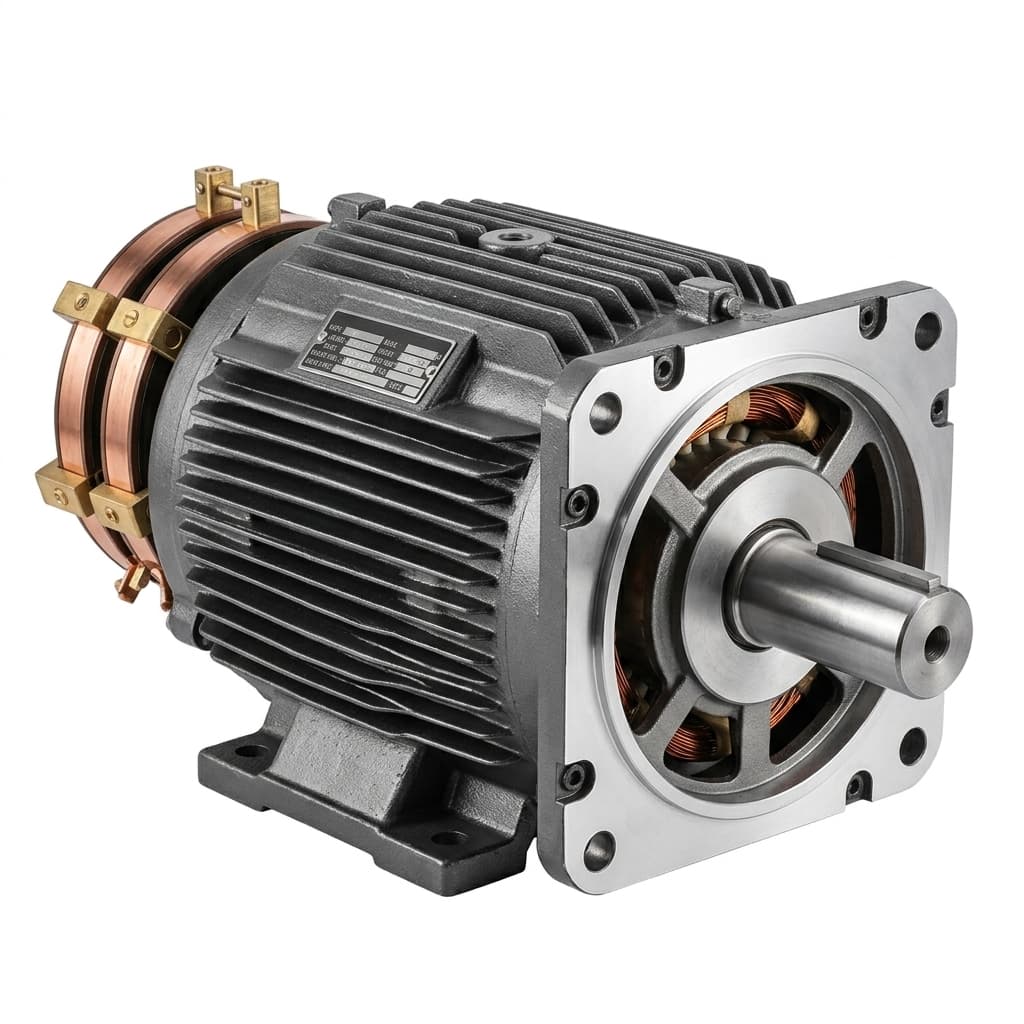
Wound rotor motor assembly with visible slip ring interface for excitation programs

Capability Highlights

  • Zero permanent magnet cost volatility for rare-earth-risk reduction
  • Controllable rotor field for high-speed flux weakening strategies
  • Slip ring, brush, or brushless excitation interface manufacturing review
  • Hairpin stator, wound rotor, insulation, impregnation, and balance support
  • Prototype-to-pilot manufacturing path for EV and heavy mobility programs
  • Manufacturing evidence for resistance, hipot, VPI, balance, and dyno checks

Typical Applications

  • EV traction motors
  • E-axle drive units
  • Hybrid and heavy-duty mobility traction
  • Aerospace electrification prototypes
  • Rare-earth-free drivetrain R&D platforms

Engineering Focus

  • Rotor winding slot fill factor, retention, and centrifugal load margin
  • Class F/H insulation, VPI impregnation, and thermal path validation
  • High-speed balancing, overspeed margin, and shaft interface tolerance
  • Excitation current, voltage window, brush/slip-ring wear assumptions, or brushless coupler constraints
  • Torque-speed map, inverter control strategy, cooling circuit, and dyno acceptance points

Key Evaluation Matrix

MetricTypical RangeWhy It Matters
Power Density>= 1.6 kW/kg target reviewCritical for EV weight reduction and range extension.
Excitation InterfaceSlip ring / brush / brushless reviewDefines rotor package, reliability risks, electrical interface, and test scope.
Insulation ClassClass F / H project dependentRotor thermal durability is one of the main adoption gates for EESM traction.
Validation EvidenceResistance, hipot, VPI, balance, dynoProcurement teams need measurable sample evidence before design freeze.
Cooling StrategyWater jacket / oil / hybrid reviewCooling assumptions determine winding temperature, power density, and package feasibility.

Production and Validation Flow

Process StepBuyer EvidenceAcceptance Gate
Architecture and excitation reviewTorque-speed map, field-current window, inverter limits, excitation interface, cooling assumptions, and package constraints.WRSM/EESM scope is separated into stator, rotor, excitation interface, or complete motor support.
Rotor/stator DFM and validation planWinding route, hairpin stator notes, rotor retention method, insulation class, VPI route, and dyno-point plan.Critical manufacturing and test risks are agreed before prototype build.
Prototype build and sample evidenceResistance, hipot, IR/surge, VPI, balance, dimensional inspection, thermal, and dyno records.Buyer can approve iteration, pilot release, or architecture stop using measurable records.
Pilot transition and change controlDrawing revision baseline, control plan, lot traceability, packaging, lead time, and deviation process.Program is ready for controlled pilot lots with stable acceptance criteria.

RFQ Checklist

  1. Torque-speed curve, peak/continuous power, base speed, and maximum speed
  2. Excitation architecture preference and field current/voltage window
  3. Cooling method, thermal limits, duty cycle, and ambient assumptions
  4. Rotor/stator drawings, stack length, airgap, shaft interface, and housing constraints
  5. Insulation class, partial discharge target, balance grade, and overspeed requirement
  6. Prototype quantity, validation plan, annual forecast, and target delivery country
Risk Controls

  • Rotor thermal failure: Rigorous dynamometer thermal mapping and Class H insulation.
  • Excitation interface wear or packaging conflict: Review brush, slip-ring, or brushless excitation architecture together with duty cycle and service targets.
  • High-speed rotor imbalance: Freeze balance grade, overspeed speed, correction method, and report format before pilot samples.
  • Late inverter-control changes: Align field weakening, current limits, resolver/encoder needs, and dyno points before sample order.

Product Gallery

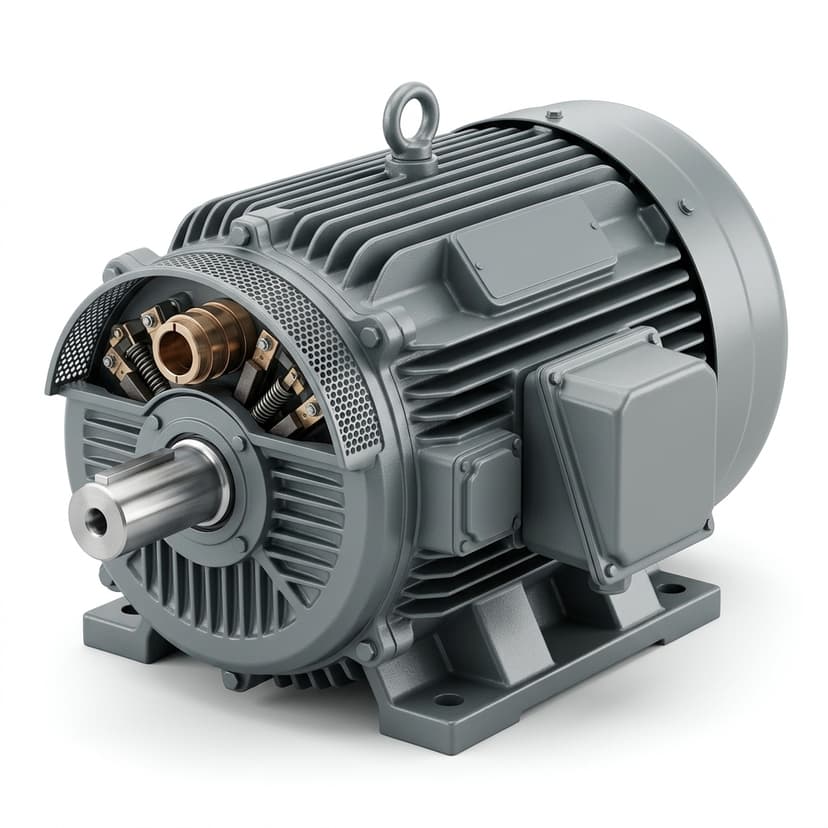
Wound rotor synchronous motor sample for EESM and WRSM validation
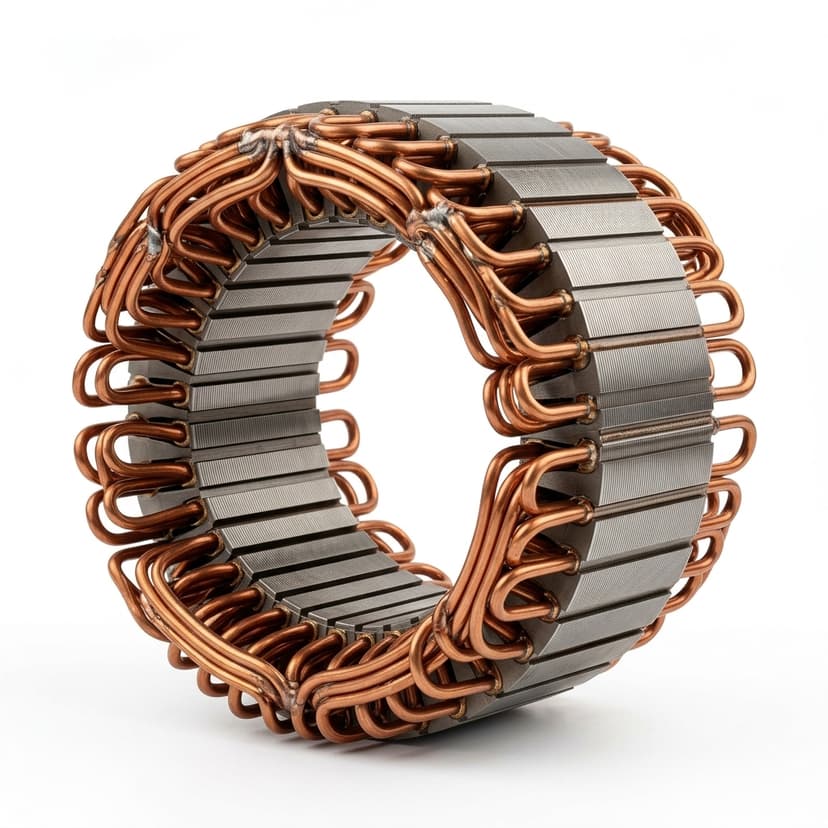
Hairpin stator winding used in rare-earth-free EV traction motor manufacturing

Buyer FAQ

Can you handle high-speed balancing?

Yes, we provide dynamic balancing test reports for every rotor assembly.

Can you build only the stator or rotor instead of a complete motor?

Yes. Many projects start with hairpin stator, wound rotor, lamination stack, or excitation-interface components before full motor integration.

What drawings are required for first review?

Send rotor/stator drawings, shaft interface, stack geometry, cooling assumptions, excitation window, target speed, and validation requirements.

Related Resources

  • Tesla Next-Gen Motor: WRSM Analysis
  • EESM vs IPM Procurement Guide
  • Contact Engineering / RFQ

Inquiry Email

[email protected]

Email app

Include target torque/speed, quantity, and delivery location.

Instant Chat

+86 18857971991

Chat on WhatsApp

Direct response from our engineering team.