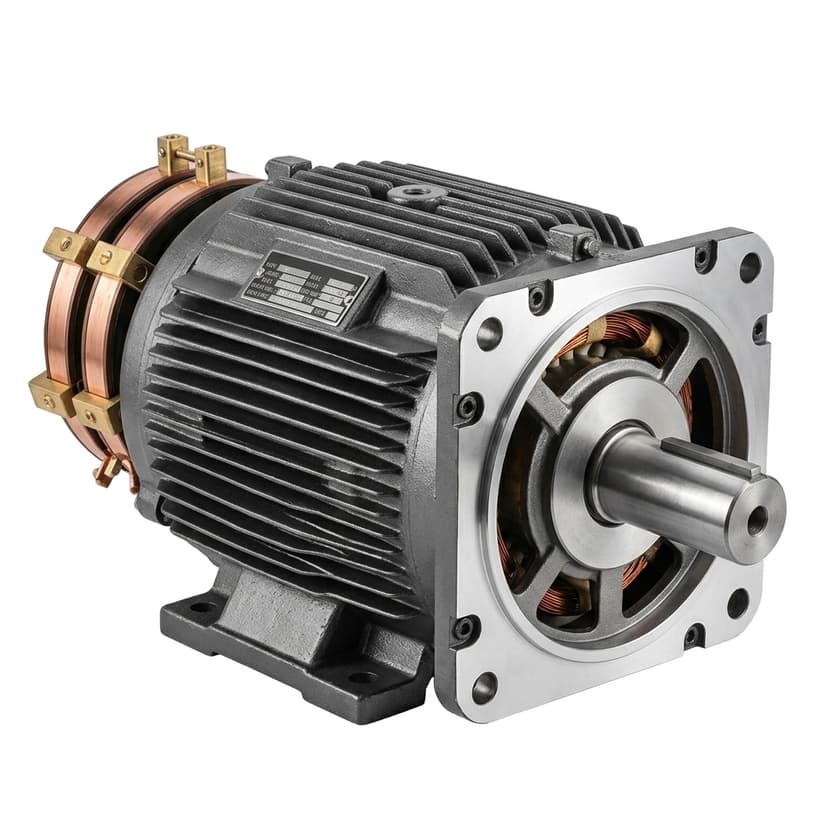
| Synchronous Reluctance Motors (SynRM) | Best for procurement managers, plant engineers, and equipment OEMs reviewing IE3 induction motor replacement under EU 2019/1781, DOE 2027 planning, and energy-cost targets. | Efficiency Class: IE4 / IE5 | Defines the compliance direction, test evidence, and buyer-side TCO model. |
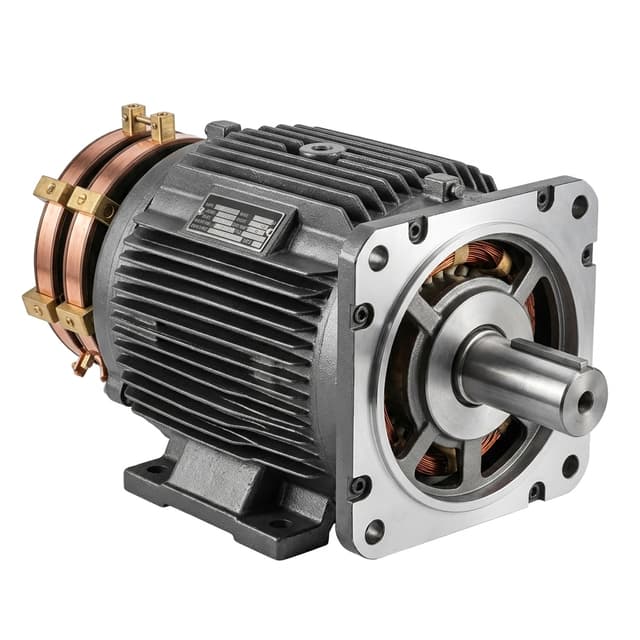
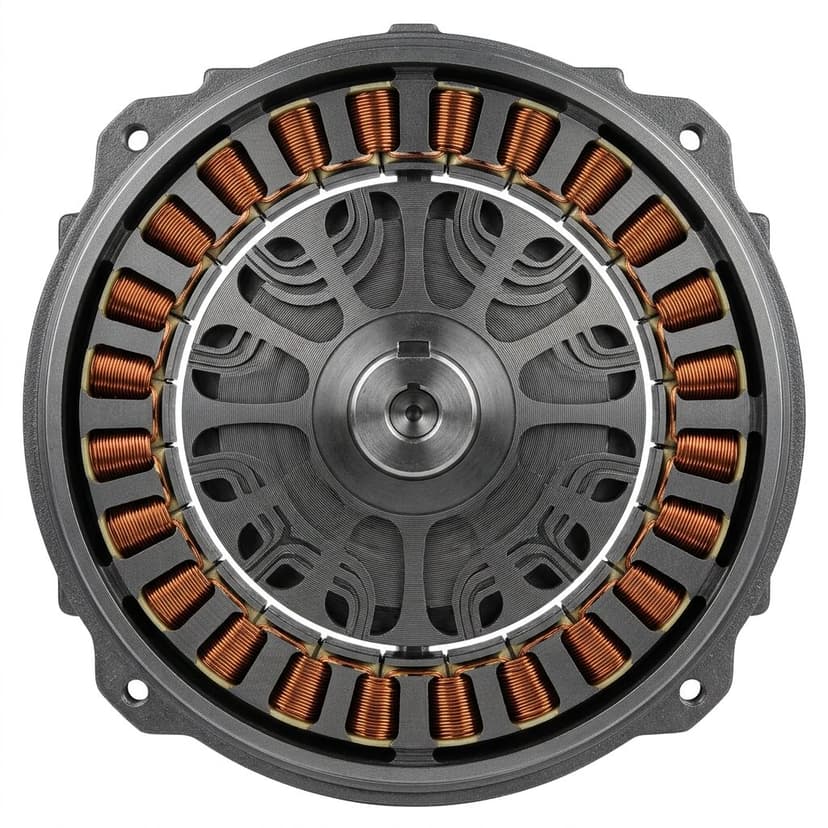
| Wound Rotor Synchronous Motors (WRSM) | Best for OEM EV engineering, Tier-1 drivetrain, and advanced mobility teams migrating away from PMSM platforms while keeping high-speed efficiency and supply-chain control. | Power Density: >= 1.6 kW/kg target review | Critical for EV weight reduction and range extension. |
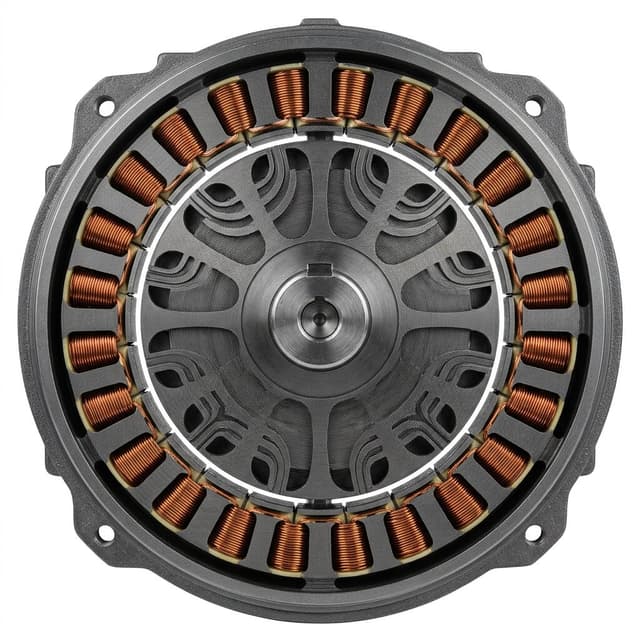
| Switched Reluctance Motors (SRM) | Best for engineers dealing with extreme environments where conventional motors fail due to heat, vibration, overload, or maintenance limits. | Rotor Durability: Laminated steel, no rotor winding | Removes magnet demagnetization and rotor-winding failure modes in harsh duty. |
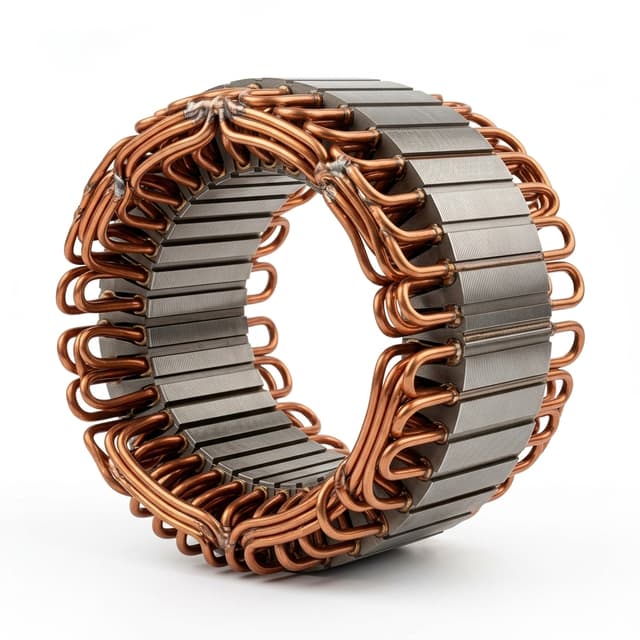
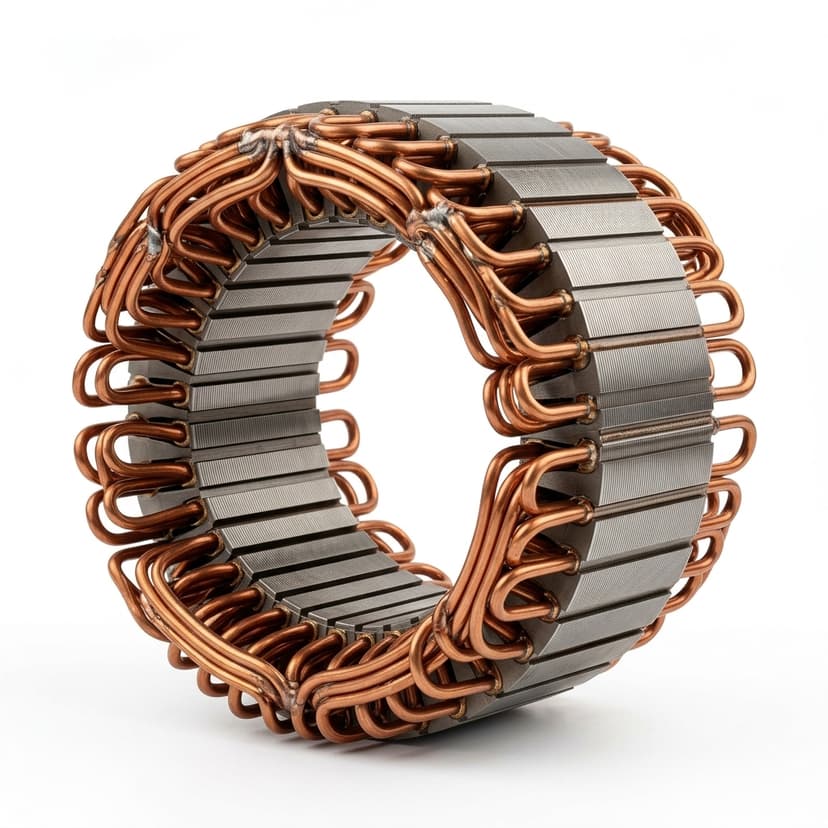
| Hairpin Stator Winding | Best for EV OEM and Tier-1 teams that already own electromagnetic design but need China-based hairpin winding production support. | Voltage Platform: 400V / 800V class | Determines insulation stack-up, clearance, and validation depth before sample approval. |
| EESM Rotor Assemblies | Best for engineering teams reducing NdFeB dependency while keeping control over rotor flux and high-speed efficiency. | Validation Evidence: Resistance, hipot, insulation, VPI, balance | Rotor reliability is the gating issue for EESM adoption in traction and high-speed duty. |
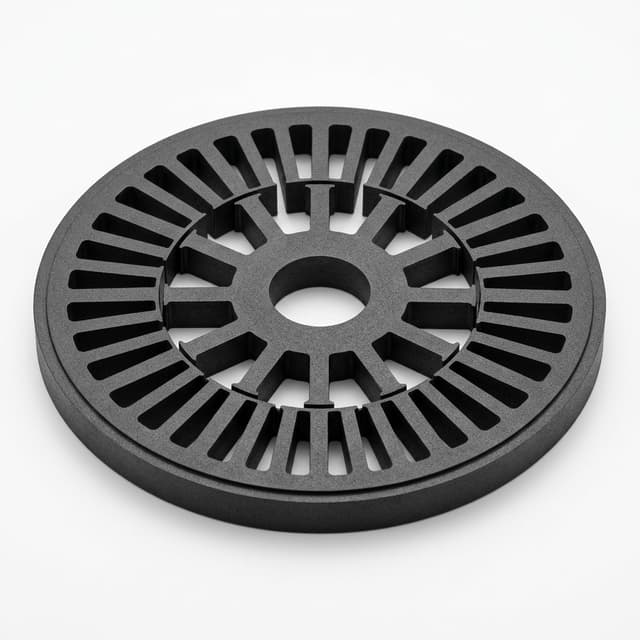
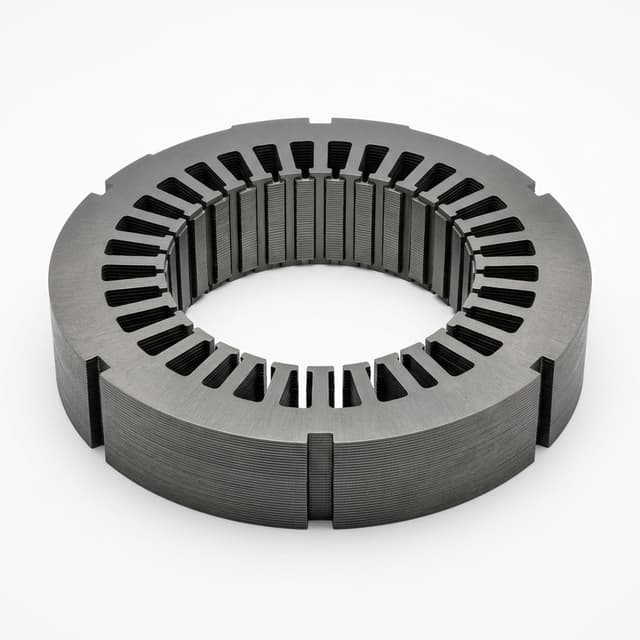
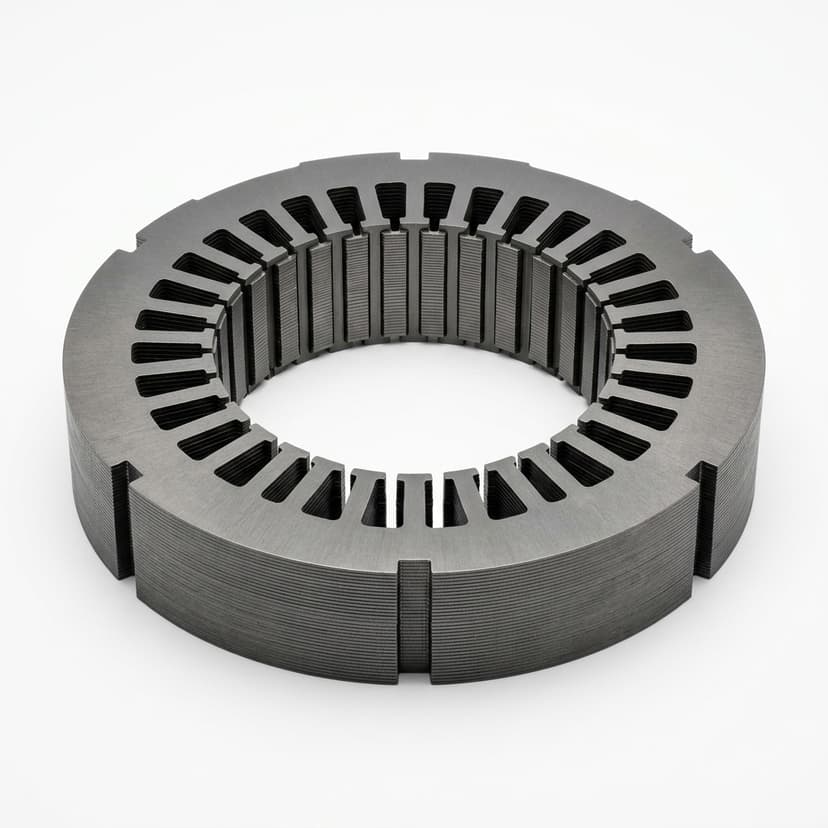
| Rotor & Stator Lamination Stacks | Best for motor designers and sourcing teams that need traceable electrical steel cores for rare-earth-free architectures. | Lamination Thickness: 0.20-0.50 mm electrical steel | Controls iron loss, heat generation, and high-speed efficiency in magnet-free motors. |