Magnet Free Motor logoMagnet-Free Motor
Start inquiry
Magnet Free Motor logoMagnet-Free Motor
WhatsApp
Magnet Free Motor logoMagnet-Free Motor

China-based rare-earth-free motor manufacturing partner supporting customization, quality control, and global delivery.

Inquiry Email

[email protected]

Email app

Include target torque/speed, quantity, and delivery location.

Instant Chat

+86 18857971991

Chat on WhatsApp

Direct response from our engineering team.

Products
  • IE5 SynRM
  • WRSM / EESM
  • SRM
  • Hairpin Stator
  • EESM Rotor
  • Lamination Stacks
Solutions
  • EV Traction
  • Industrial & HVAC
  • Aerospace Electrification
Manufacturing
  • OEM Capabilities
  • Quality & Validation
  • Prototype Transfer
Resources
  • Blog
  • About
  • Contact / RFQ
  • Privacy Policy
  • Cookie Policy
  • Terms of Service
© 2026 Magnet-Free Motor. All Rights Reserved.|Backed by Linkup Ai Co., Ltd. Manufacturing delivered by the Advanced Manufacturing Division of Linkup Precision.
← Back to Solutions

EV Traction & E-Axles

Rare-earth-free traction motor and e-axle component support for OEM teams evaluating EESM/WRSM, hairpin stators, wound rotors, and lamination stacks without NdFeB dependency.

Target Buyer:Best for Tier-1 and OEM automotive engineers comparing rare-earth-free traction architectures, validating custom stator/rotor components, or qualifying a China-based manufacturing partner.
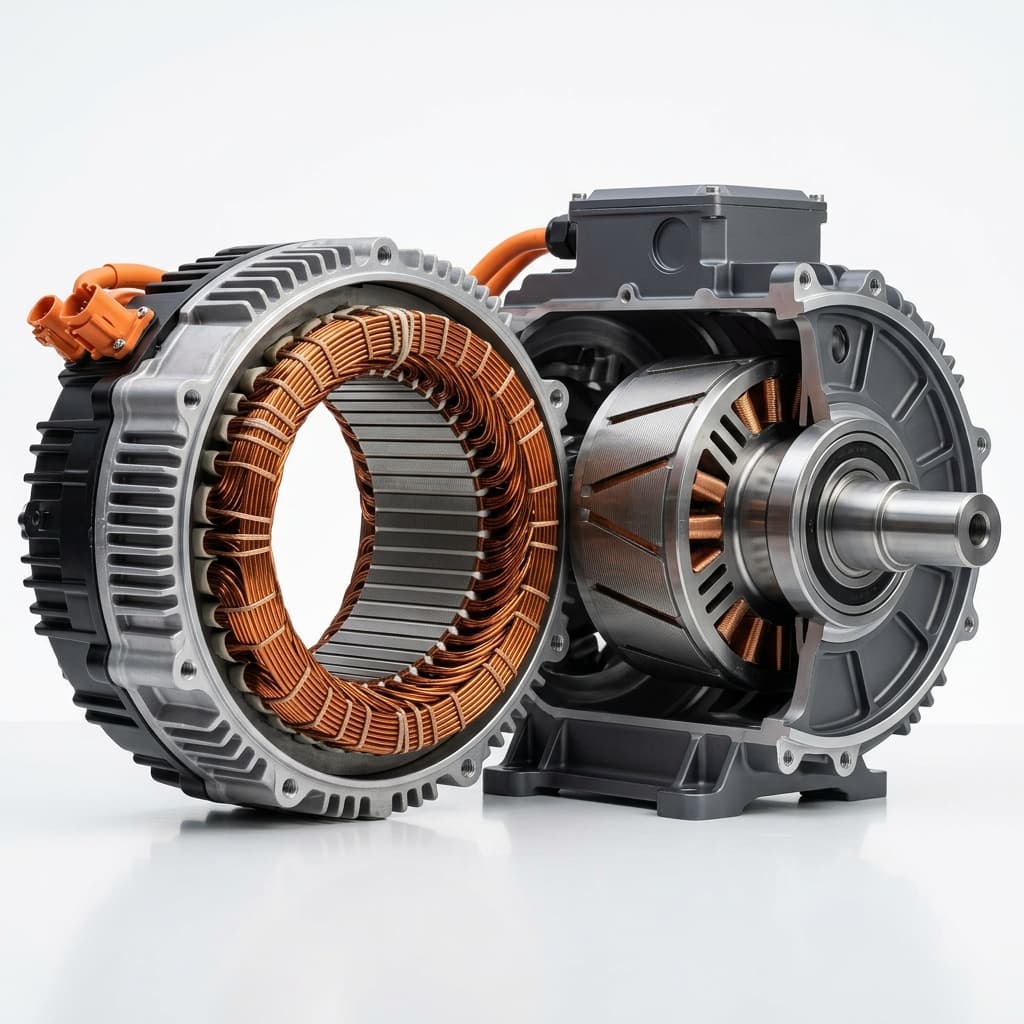
Rare-earth-free EV traction motor cross section with stator and rotor detail

Solution Highlights

  • NdFeB-free traction architecture screening for EESM and WRSM programs
  • High-speed field weakening and controllable rotor flux support
  • Hairpin stator, wound rotor, lamination stack, and excitation-interface scope review
  • Prototype, dyno, thermal, balance, and insulation evidence planning
  • Sample-to-pilot manufacturing route for automotive engineering teams
  • Supplier qualification support for teams reducing rare-earth supply-chain exposure

Common Use Cases

  • Passenger EV traction motor and e-axle validation programs
  • Commercial electric truck and heavy-duty mobility traction platforms
  • Rare-earth-free drivetrain R&D replacing or benchmarking IPM motors
  • Hairpin stator and EESM rotor component sample builds
  • Advanced mobility and aerospace-adjacent electric propulsion prototypes

Implementation Focus

  • Torque-speed map, base speed, maximum speed, and field-weakening target
  • Hairpin stator integration, slot insulation, lead exit, and cooling path
  • Rotor field winding, excitation interface, retention, overspeed, and dynamic balancing
  • Voltage platform, inverter assumptions, resolver/encoder interface, and thermal limits
  • Sample evidence package: resistance, hipot, surge/IR, VPI, balance, dyno, and dimensional records

Application Evaluation Matrix

Evaluation MetricTypical RangeBuyer Relevance
NdFeB Dependency0%Eliminates geopolitical pricing volatility.
Architecture FitEESM / WRSM / component-only reviewClarifies whether the buyer needs complete motor architecture support or build-to-print components.
Speed WindowBase speed, max speed, overspeed by projectField weakening, rotor retention, balance, and inverter strategy are speed-dependent.
Thermal BoundaryWater / oil / hybrid cooling assumptionsCooling path determines continuous torque, insulation class, and validation depth.
Validation EvidenceDyno, thermal, balance, hipot, IR/surge, dimensionalAutomotive teams need measurable sample evidence before design freeze or supplier release.

Application Qualification Flow

Process StepBuyer EvidenceAcceptance Gate
Architecture and component-scope screenTorque-speed map, packaging envelope, cooling assumptions, and component responsibility matrix.Buyer and supplier agree whether the scope is stator, rotor, lamination, excitation interface, or full motor support.
DFM and sample validation planWinding, lamination, rotor retention, insulation, excitation, and dyno-test risk notes.Critical sample tests and pass/fail limits are defined before PO.
Prototype build and evidence packageResistance, hipot, IR/surge, VPI, dimensional, balance, and dyno/thermal records by sample.Engineering can decide whether to iterate, approve pilot, or stop the architecture.
Pilot readiness and supply planningControl plan, lot traceability, packaging plan, lead-time model, and change-control process.Program is ready for pilot release with stable drawings, records, and delivery assumptions.

RFQ Preparation Checklist

  1. Torque-speed map, peak/continuous power, base speed, and maximum speed
  2. Voltage platform, inverter current limits, excitation window, and sensor interface
  3. Cooling constraints: water jacket, oil spray, hybrid, or customer housing limit
  4. Stator/rotor drawings, airgap, stack length, shaft, housing, and connector envelope
  5. Validation plan: dyno points, thermal rise, overspeed, balance, insulation, and acceptance reports
  6. Prototype quantity, pilot quantity, annual forecast, program stage, and delivery country
Risk and Mitigation

  • Manufacturing scalability: Confirm hairpin process route, weld inspection, insulation checks, and pilot acceptance records before production release.
  • Architecture chosen before duty cycle is clear: Require torque-speed map, duty cycle, cooling limits, and inverter assumptions before quoting WRSM/EESM scope.
  • Rotor reliability at high speed: Freeze retention method, balance grade, overspeed margin, and field lead strain relief before sample build.
  • Late validation evidence gap: Map each customer gate to a report: dyno, thermal, dimensional, resistance, hipot, IR/surge, VPI, balance, and material traceability.

Recommended Products

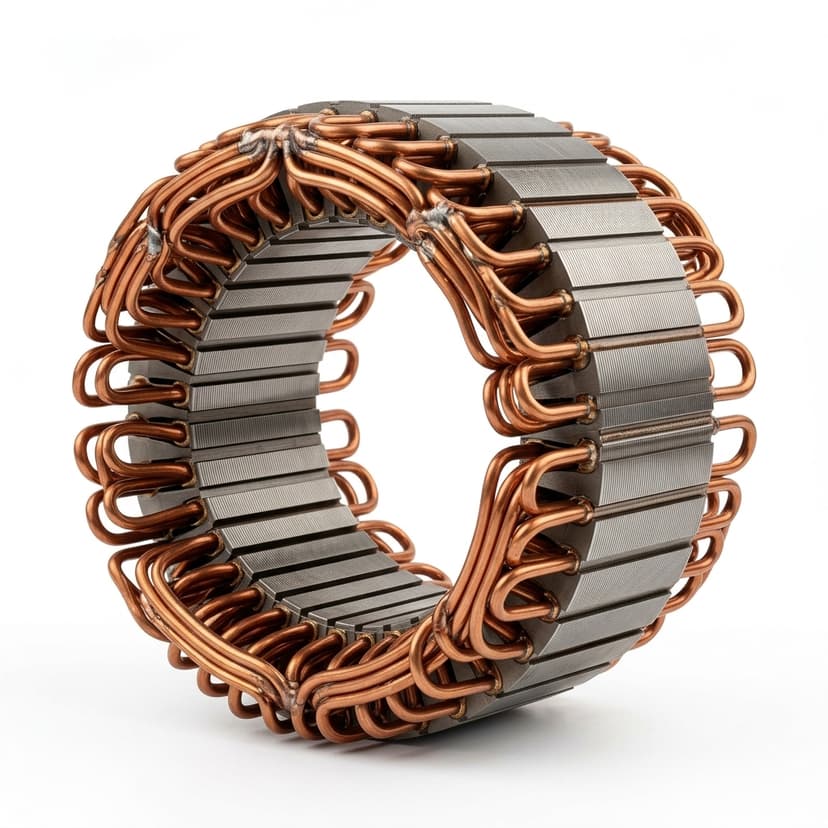
Hairpin stator winding for high-speed EV traction applications
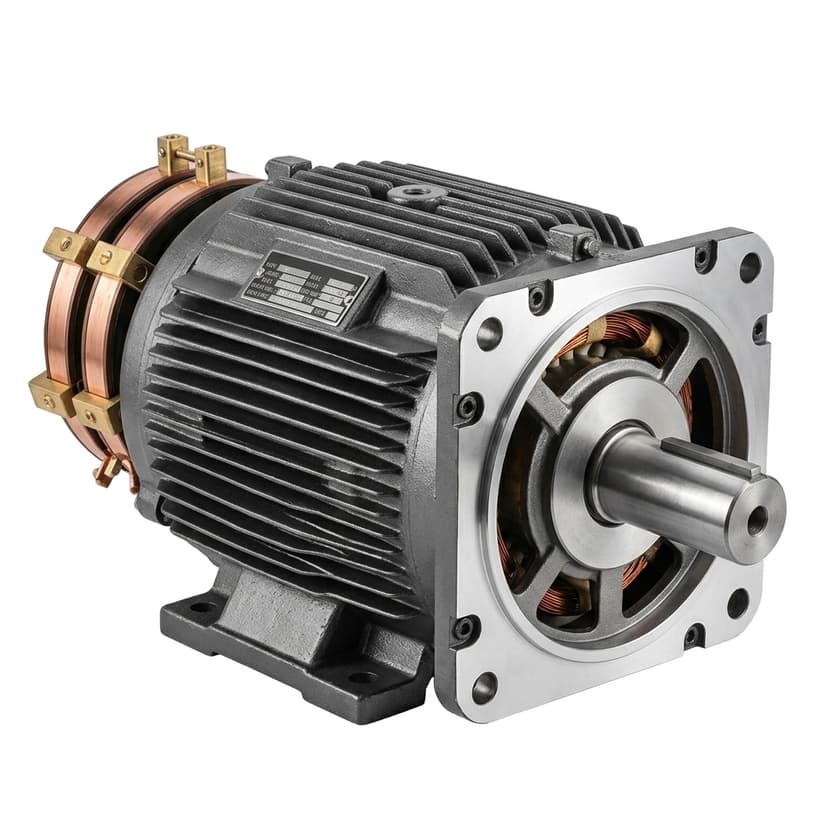
Wound rotor motor assembly for rare-earth-free traction architecture

Buyer FAQ

Do you build complete e-axles?

We specialize in the active electromagnetic components (stator/rotor).

When should an EV team choose EESM instead of IPM?

EESM is worth reviewing when rare-earth exposure, high-speed efficiency control, and rotor-flux adjustability outweigh the added excitation-system complexity.

Can you support build-to-print traction components?

Yes. Send stator, rotor, lamination, shaft, excitation, or assembly drawings with test criteria and we can review component-only scope.

What is the minimum useful validation plan?

At minimum, define torque-speed/dyno points, thermal limits, insulation tests, balance/overspeed requirements, dimensional inspection, and sample acceptance format.

Related Resources

  • The Role of Hairpin Winding in EV Traction
  • Rare-Earth Price Forecast 2026
  • WRSM / EESM Motor Programs
  • Hairpin Stator Winding
  • EESM Rotor Assemblies
  • Prototype-to-Production Transfer
  • Contact Engineering / RFQ

Inquiry Email

[email protected]

Email app

Include target torque/speed, quantity, and delivery location.

Instant Chat

+86 18857971991

Chat on WhatsApp

Direct response from our engineering team.