
Rare Earth Price Forecast 2026: Why Motor Manufacturers are Abandoning Neodymium
A deep dive into the 2026 rare-earth pricing forecast. Learn why volatile Neodymium and Dysprosium markets are forcing OEMs to adopt magnet-free motors.
Rare Earth Price Forecast 2026: Why Motor Manufacturers are Abandoning Neodymium
The short answer: Neodymium oxide prices have swung between $40/kg and $180/kg over the past 5 years, with Dysprosium reaching $450/kg during supply disruptions. A single 200 kW IPM traction motor contains 2–4 kg of NdFeB magnets, meaning material cost uncertainty of $200–$500 per motor. By contrast, SynRM and WRSM architectures replace these volatile materials with copper ($8–10/kg, LME-hedgeable) and electrical steel ($1.2–2.0/kg, index-linked), reducing BOM volatility by 80–90%.
For over two decades, Neodymium-Iron-Boron (NdFeB) permanent magnets have been the dominant technology of the electric motor industry. Their unmatched magnetic flux density allowed engineers to build highly compact, efficient motors for everything from hard drives to heavy-duty industrial pumps and EV traction units.
However, as we move through 2026, the strategic calculus for procurement teams has radically shifted. The reliance on rare-earth elements (REEs) is no longer viewed as a technological advantage—it is classified as a critical supply chain liability.
The Volatility of Neodymium (Nd) and Dysprosium (Dy)
If you look at commodity charts for neodymium and high-temperature stabilizers such as dysprosium, the trend shows repeated price spikes and planning uncertainty.
- Geopolitical Concentration: A large share of rare-earth extraction and processing remains concentrated in a small number of regions. As trade tariffs, export controls, and procurement rules shift, global OEMs can face abrupt price changes.
- The EV Super-Cycle: Growth in electric vehicles (EVs), wind power, and industrial electrification has increased competition for high-grade NdFeB magnets.
- ESG and Environmental Scrutiny: Rare-earth extraction and refining can carry significant environmental impacts. Buyers increasingly need clearer sourcing, traceability, and compliance evidence.
The Cost Engineering Crisis
For a Tier-1 automotive supplier or an industrial HVAC manufacturer, motor pricing must stay manageable over a 5-to-10-year product lifecycle. If magnet assemblies represent a large share of the motor BOM, sharp neodymium price movement can materially compress project margin.
Procurement managers can be left choosing between absorbing material cost volatility, renegotiating surcharges, or revisiting the motor architecture.
The Strategic Pivot: Magnet-Free Architectures
One engineering response is to evaluate whether the application can move to a magnet-free architecture.
Current alternatives include advanced magnet-free topologies:
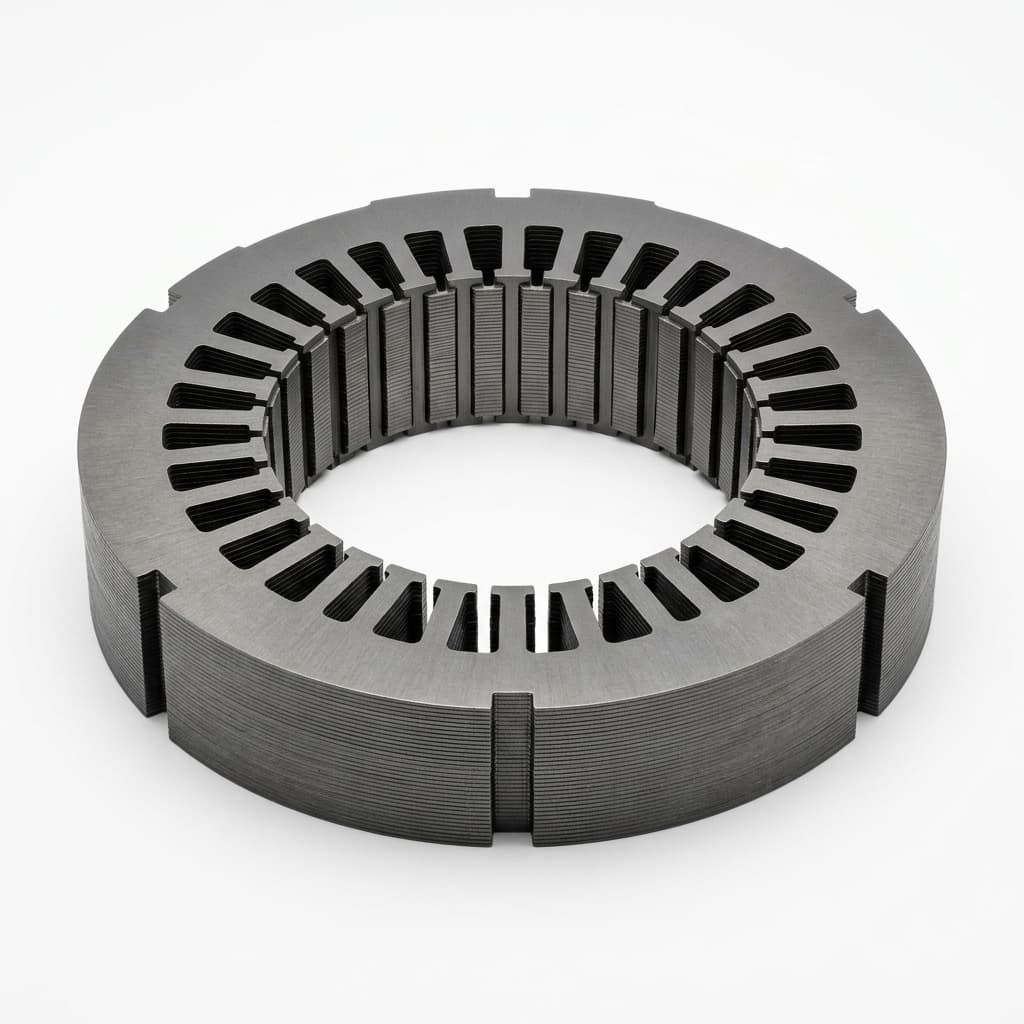
- Synchronous Reluctance Motors (SynRM): Utilizing advanced electrical steel stamping to create reluctance torque without a single ounce of rare-earth material.
- Externally Excited Synchronous Motors (EESM / WRSM): Replacing the magnet rotor with a highly engineered, automated hairpin copper-wound rotor.
These architectures are not compromises. Thanks to advances in high-frequency Variable Frequency Drives (VFDs) and computational fluid dynamics for thermal management, modern SynRM and WRSM platforms are matching—and in some high-speed scenarios, exceeding—the efficiency and power density of legacy permanent magnet motors.
NdFeB Supply Chain Risk Matrix
To quantify the procurement risk of continuing to specify Permanent Magnet (PM) motors, analyze the following supply chain vulnerability matrix for 2026:
| Risk Factor | Neodymium (Nd) | Dysprosium (Dy) | Electrical Steel (SynRM) | Copper (WRSM) |
|---|---|---|---|---|
| Geopolitical Concentration | Extreme (≥70% single source) | Extreme (≥80% single source) | Low (Globally diversified) | Medium (Diversified) |
| Price Volatility (Historical 5-yr) | High (+/- 150% swings) | Very High (+/- 200% swings) | Low (+/- 15% swings) | Low-Medium (+/- 25%) |
| ESG Tariff Exposure | High (Extraction footprint) | High (Extraction footprint) | Low (Recyclable) | Low (Highly Recyclable) |
| Procurement Strategy | Spot purchasing / Hedging | Spot purchasing / Hedging | Long-term indexing | LME hedging |
BOM Cost Hedging Strategies for OEM Sourcing
For procurement teams tasked with mitigating rare-earth volatility, transitioning to magnet-free architectures enables traditional, predictable hedging strategies:
- LME Copper Hedging: Unlike rare earths, copper is heavily traded on the London Metal Exchange (LME). OEMs purchasing WRSM motors can lock in forward contracts for the rotor and stator windings, securing BOM costs 24-36 months in advance.
- Steel Indexing: Electrical steel laminations can be indexed to global steel benchmarks, allowing for transparent, formula-based pricing agreements with motor manufacturers.
- Elimination of Strategic Surcharges: Many motor suppliers impose "Rare Earth Surcharges" that fluctuate monthly. Migrating to SynRM entirely eliminates this opaque line item from your RFQ evaluation.
Regulatory Pressure: The Carbon Border Adjustment Mechanism (CBAM)
Starting in 2026, regulations like the EU's CBAM are placing immense scrutiny on the carbon footprint of imported industrial goods. The extraction and refining of 1 ton of rare-earth oxide can generate up to 2,000 tons of toxic tailings and substantial CO2 emissions. By specifying magnet-free motors, OEMs can significantly reduce their Scope 3 emissions, ensuring compliance and avoiding heavy import tariffs.
Strategic Takeaway: Future-Proofing the BOM
The 2026 rare-earth forecast is clear: expect extreme volatility, tightening supply, and increasing regulatory pressure. For visionary OEMs, the solution is not hedging commodity futures—it is re-engineering the BOM.
By partnering with dedicated magnet-free motor manufacturers like us, brands can lock in predictable copper and steel pricing, secure their supply chains, and deliver uncompromised IE5 performance to the market.
Motor BOM Cost Comparison: PM vs. Magnet-Free
For a typical 110 kW traction motor, the material cost breakdown reveals why procurement teams are actively migrating:
| BOM Component | IPM Motor (NdFeB) | WRSM Motor (Magnet-Free) | SynRM Motor (Magnet-Free) |
|---|---|---|---|
| NdFeB magnets (2.5 kg) | $250–$450 | $0 | $0 |
| Dysprosium additive | $50–$120 | $0 | $0 |
| Rotor copper (wound rotor) | $0 | $80–$120 | $0 |
| Stator copper (hairpin) | $120–$160 | $120–$160 | $120–$160 |
| Electrical steel laminations | $90–$130 | $90–$130 | $110–$150 |
| Magnet retention sleeve | $40–$80 | $0 | $0 |
| Slip rings / brushless exciter | $0 | $60–$100 | $0 |
| Total material cost | $550–$940 | $350–$510 | $230–$310 |
| Price volatility (5-year) | ±60% | ±15% | ±12% |
Technology Migration Decision Matrix
| Your Situation | Recommended Architecture | Rationale |
|---|---|---|
| Currently using IPM, concerned about NdFeB supply | WRSM/EESM | Closest performance match, zero magnet risk |
| Replacing IE2/IE3 induction motors | SynRM | Direct frame replacement, VFD already common |
| New EV platform design (above 12,000 rpm) | WRSM | High-speed flux weakening without magnets |
| Harsh environment (mining, steel) | SRM | Zero magnets, fault tolerant, extreme durability |
| Cost-sensitive industrial drives | SynRM | Lowest BOM cost, IE5 efficiency |
Data Sources
- USGS Mineral Commodity Summaries — Annual production, import reliance, and price history for rare earths. USGS rare earths data
- London Metal Exchange (LME) — Copper reference pricing for BOM cost modeling. LME official prices
- Shanghai Metal Market (SMM) — Real-time NdPr oxide pricing and rare earth market intelligence. SMM rare earths
Related Reading
- EESM vs. IPM Motors: Procurement Comparison — Detailed cost and engineering comparison for the transition.
- IE5 SynRM vs. Induction Motors — For industrial applications: the simplest rare-earth-free upgrade path.
- Why Magnet-Free Motors Are the Future — The broader industry context behind the rare-earth exit.
Author

Categories
More Posts
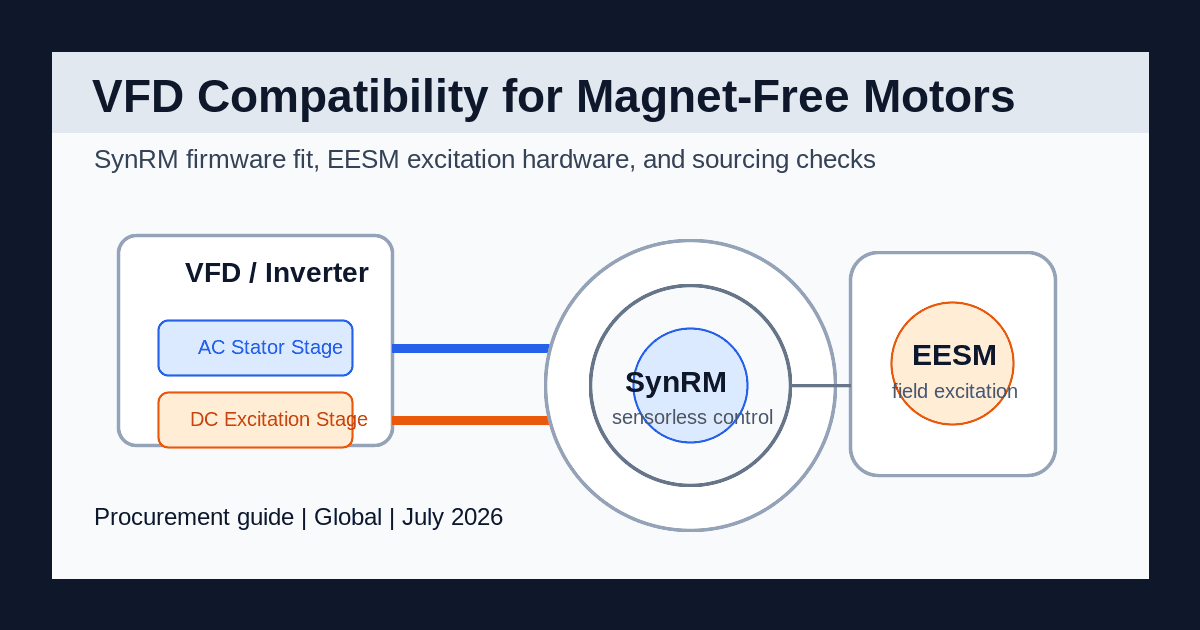
VFD Compatibility with Magnet-Free Motors: SynRM and EESM Sourcing Guide
Compare VFD compatibility for magnet-free motors in 2026: SynRM firmware, EESM excitation hardware, retrofit limits, sourcing checks, and request RFQ review.
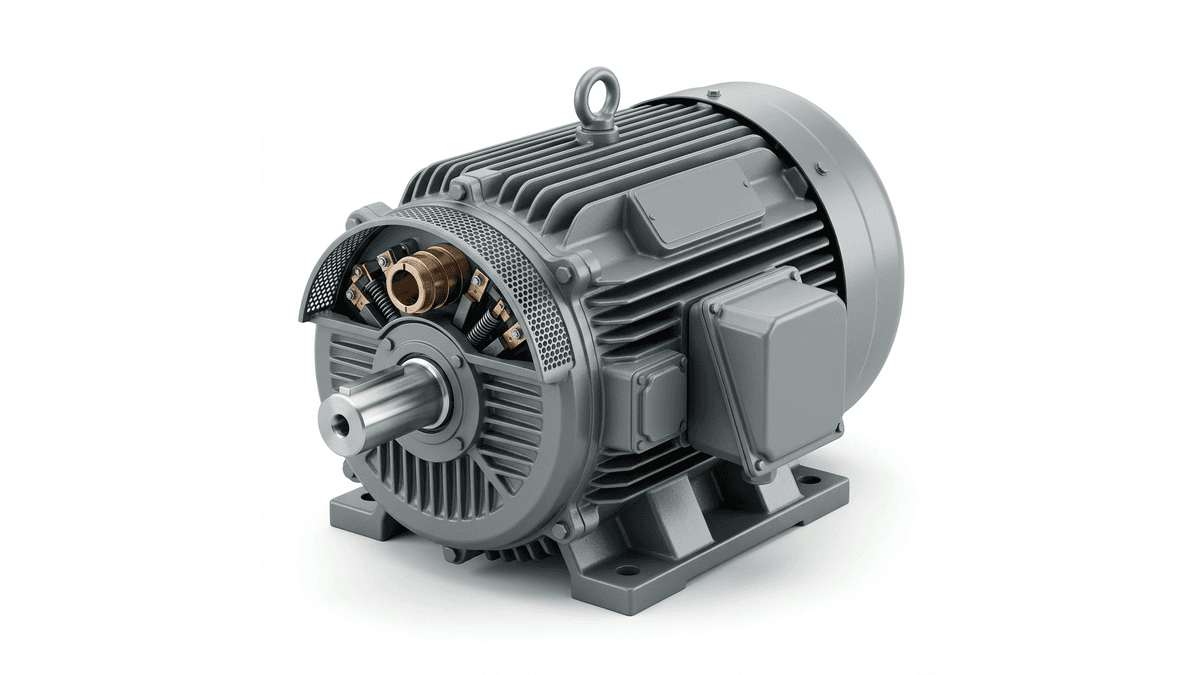
EESM vs. IPM Motors in 2026: Cost, Supply Chain, and Procurement Guide
Compare EESM vs. IPM motors for magnet-free motor sourcing in 2026: rare-earth risk, copper cost, inverter needs, efficiency, and RFQ checks.
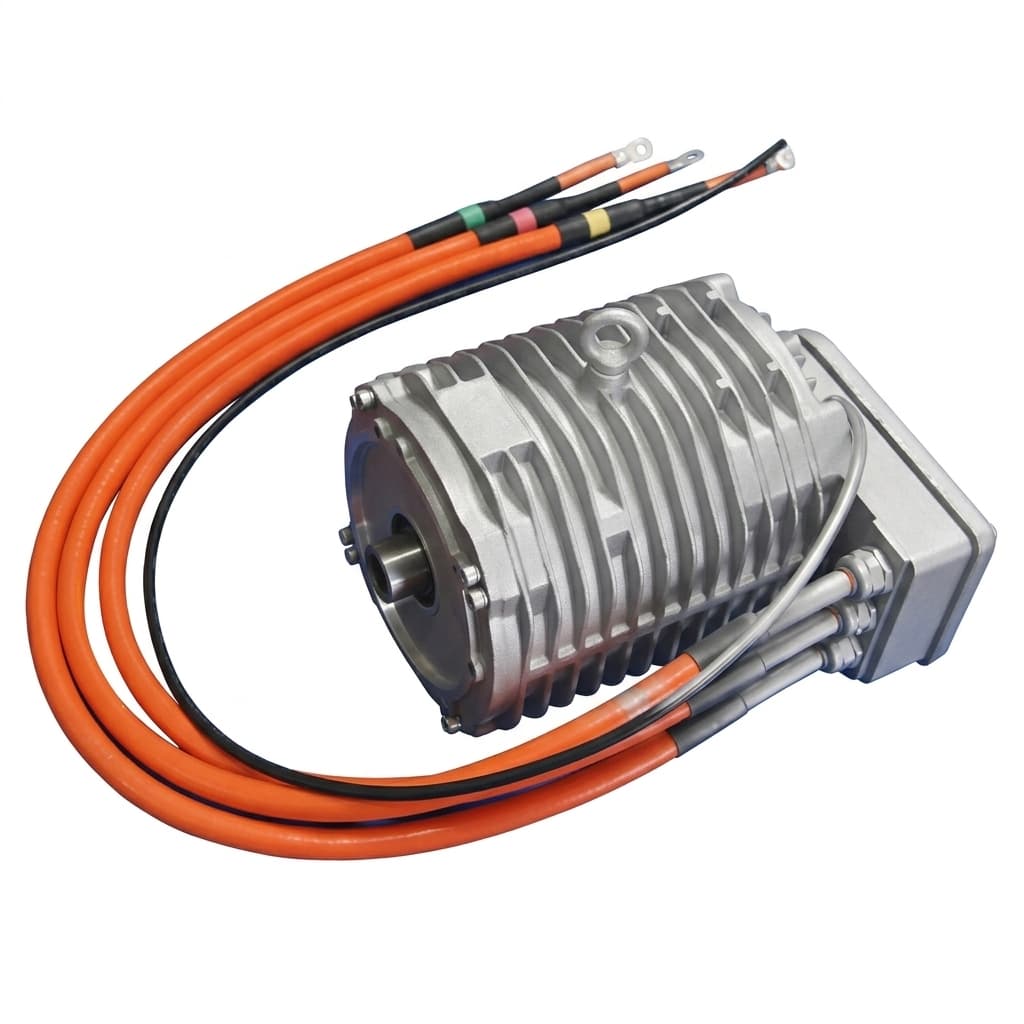
The Industry Shift to Rare-Earth-Free Traction Drives: Lessons from Global EV Leaders
Global automakers are moving away from rare-earth permanent magnets. Explore the engineering behind the new wave of magnet-free EV traction motors.