
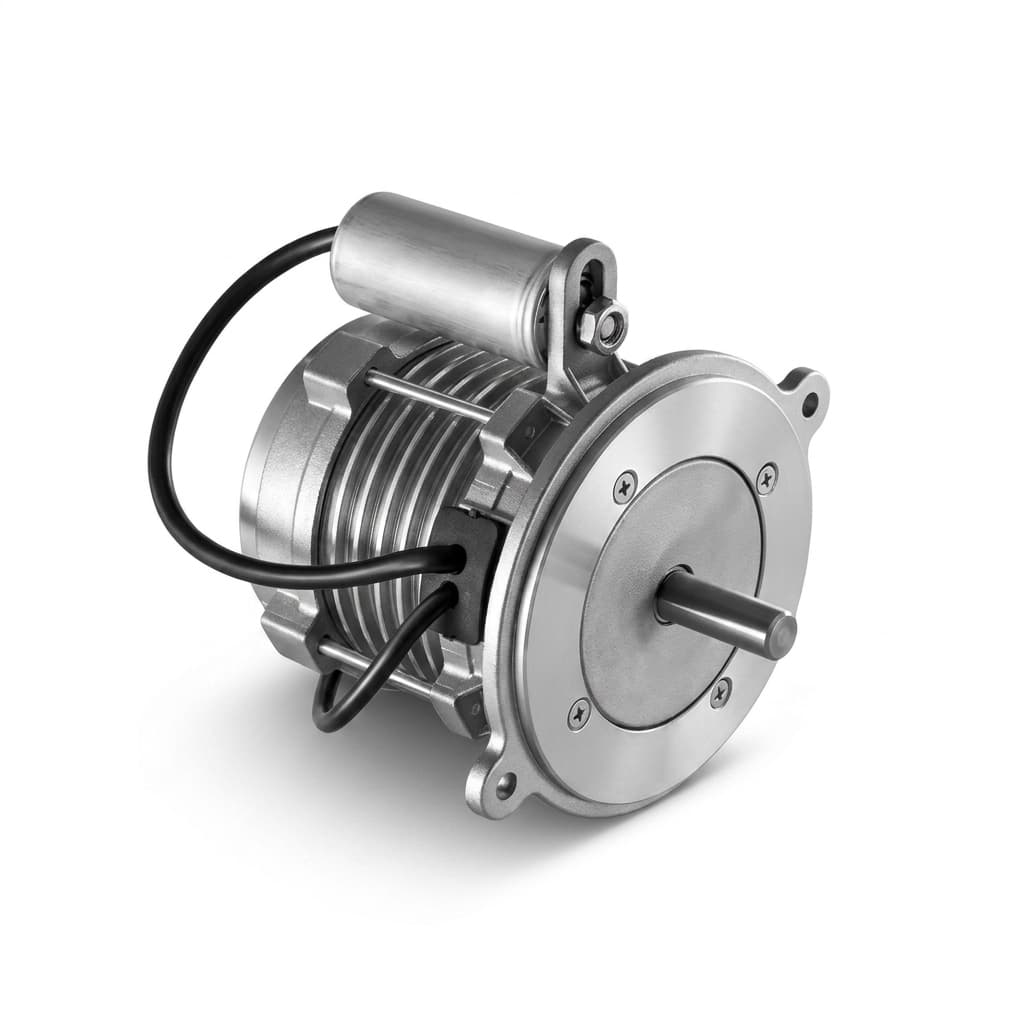
IE5 SynRM vs. Induction Motors: A Comprehensive Efficiency Comparison
An engineering deep dive comparing IE5 Synchronous Reluctance Motors (SynRM) against traditional induction motors for heavy-duty industrial applications.
IE5 SynRM vs. Induction Motors: A Comprehensive Efficiency Comparison
The short answer: An IE5 SynRM typically delivers 2–5% higher efficiency than an IE3 induction motor at rated load, with advantages growing to 6–10% at partial loads (25–50%). For a 110 kW motor running 6,000 hours per year, this translates to approximately $3,800–$7,200 in annual energy savings at $0.12/kWh.
When engineering teams and procurement managers specify motors for large industrial installations—such as municipal water pumps, HVAC chillers, or heavy manufacturing lines—efficiency is the paramount metric. A 1% increase in efficiency can yield millions of dollars in energy savings over a facility's lifecycle.
Historically, the AC Induction Motor (ACIM) has been the default industrial motor. However, the rise of the Synchronous Reluctance Motor (SynRM) now delivers IE5 Ultra-Premium Efficiency to the masses without the use of rare-earth magnets.
Efficiency Comparison by Power Rating
The following table compares typical efficiency values at rated load conditions (400V, 50Hz, 4-pole) between IE3 ACIM and IE5 SynRM:
| Power (kW) | IE3 ACIM (%) | IE5 SynRM (%) | Δ Efficiency | Annual Savings* |
|---|---|---|---|---|
| 7.5 | 91.0 | 93.5 | +2.5% | ~$1,350 |
| 22 | 93.0 | 95.5 | +2.5% | ~$3,960 |
| 45 | 94.0 | 96.2 | +2.2% | ~$7,130 |
| 75 | 95.0 | 96.8 | +1.8% | ~$9,720 |
| 110 | 95.4 | 97.0 | +1.6% | ~$12,670 |
| 200 | 95.8 | 97.2 | +1.4% | ~$20,160 |
*Based on 6,000 operating hours/year at $0.12/kWh, rated load.
The Physics of Efficiency Losses
To understand why SynRM outperforms induction technology, we must examine where energy is lost during operation.
1. Rotor I²R Losses (Copper Losses)
In an induction motor, torque is generated by inducing a current into the rotor cage. This induced current inherently causes resistance heating (I²R losses). In standard ACIMs, rotor copper losses can account for up to 40% of the total motor losses. The SynRM Advantage: A SynRM rotor has no cage and no windings. It generates torque through magnetic reluctance, so rotor cage-current losses are avoided. This physical difference can reduce rotor heating and support higher efficiency when the stator, drive, cooling path, and duty cycle are properly matched.
2. Stator I²R Losses
Both motors utilize copper windings in the stator. However, because SynRM does not need to draw reactive current from the stator to induce a rotor field (unlike ACIM), the total stator current required for a given torque output is often lower. This reduces the stator I²R losses as well.
3. Core Losses (Iron Losses)
Core losses occur due to hysteresis and eddy currents in the electrical steel. Because SynRM rotors run synchronously with the stator field, the rotor experiences a constant magnetic field (zero slip). This nearly eliminates rotor core losses, further extending the efficiency lead over ACIM, which inherently operates with slip.
Loss Breakdown Comparison
| Loss Category | ACIM (% of Input) | SynRM (% of Input) | SynRM Reduction |
|---|---|---|---|
| Rotor copper/cage | 1.5–2.5% | 0% | -100% |
| Stator copper | 2.0–3.0% | 1.5–2.2% | -25 to -30% |
| Rotor core | 0.3–0.6% | ~0% | -95% |
| Stator core | 1.0–1.8% | 0.8–1.4% | -15 to -20% |
| Friction/windage | 0.3–0.5% | 0.3–0.5% | Similar |
| Stray load | 0.5–1.0% | 0.3–0.6% | -30 to -40% |
Partial Load Efficiency — Where SynRM Excels Most
In real-world applications, motors rarely operate at 100% rated load continuously. Pumps, fans, and compressors typically operate between 25–75% load. This is where SynRM delivers its greatest advantage:
| Load Point | IE3 ACIM Efficiency | IE5 SynRM Efficiency | Δ (SynRM advantage) |
|---|---|---|---|
| 25% load | 85–88% | 92–94% | +5 to +8% |
| 50% load | 90–92% | 95–96% | +3 to +5% |
| 75% load | 93–94% | 96–97% | +2 to +3% |
| 100% load | 94–95% | 96–97% | +1.5 to +2.5% |
The partial-load advantage is critical because most variable-torque applications (pumps, fans) spend 60–80% of operating time below 75% load.
Thermal Management and Lifecycle Benefits
The elimination of rotor losses in SynRM has compounding benefits beyond mere energy savings:
- Cooler Operation: SynRM motors can reduce rotor heat generation versus induction designs, but the final winding, frame, and bearing temperatures depend on the duty cycle, cooling path, frame size, and VFD setup.
- Extended Bearing Life: Lower rotor temperatures can reduce heat transfer to the motor bearings. Bearing life still needs to be validated against load, speed, lubrication interval, enclosure, and ambient temperature assumptions.
- Compact Footprint: Because there is less heat to dissipate, a SynRM can often deliver the same power output in a smaller frame size compared to an ACIM, saving valuable space in dense industrial skid packages.
Total Cost of Ownership (TCO) Analysis
For a typical 45 kW pump motor running 6,000 hours per year over a 15-year lifecycle:
| Cost Category | IE3 ACIM | IE5 SynRM | Difference |
|---|---|---|---|
| Motor purchase price | $3,200 | $4,800 | +$1,600 |
| VFD (if not already installed) | $0 | $2,500 | +$2,500 |
| Energy cost (15 years) | $256,500 | $236,250 | -$20,250 |
| Maintenance (bearing replacement) | $4,500 | $3,000 | -$1,500 |
| Total 15-year cost | $264,200 | $246,550 | -$17,650 |
| Simple payback period | — | — | ~1.8 years |
Note: If a VFD is already in place for speed control, the payback period drops to approximately 0.9 years.
The Role of the Inverter (VFD)
Critically, while ACIMs can be started direct-on-line (DOL), a pure SynRM requires a Variable Frequency Drive (VFD) for operation. The VFD is necessary to track the rotor angle and continuously optimize the stator current vector.
For modern industrial facilities where VFDs are already standard practice for flow and speed control, upgrading from ACIM to SynRM is a direct transition that enables immediate, measurable energy savings.
VFD Compatibility Checklist
Before specifying a SynRM, confirm these VFD parameters:
- Control mode: Open-loop or closed-loop vector — confirm VFD firmware supports SynRM algorithms
- Cable length: Long cable runs increase dV/dt stress — specify cable length in the RFQ
- Encoder: Some SynRM programs require an incremental encoder — confirm with the motor supplier
- Carrier frequency: Higher switching frequencies improve torque smoothness but increase VFD losses
- Motor parameters: Request the motor's Ld/Lq values for VFD auto-tuning
Buyer Decision Framework
| If your situation is... | Recommended path |
|---|---|
| Replacing IE2/IE3 motors, VFD already installed | Strong SynRM candidate — payback under 1 year |
| New pump/fan installation, continuous duty | Strong SynRM candidate — specify from start |
| DOL start, no VFD budget | Stay with IE3/IE4 ACIM — SynRM requires VFD |
| High-speed traction (above 6,000 rpm) | Consider WRSM — SynRM optimized for under 3,600 rpm |
| Hazardous area (Ex-rated) | Verify availability — SynRM Ex options are limited |
Summary
For any application running at variable speeds or continuous duty cycles, the total cost of ownership (TCO) heavily favors SynRM. By offering IE5 efficiency in a robust, rare-earth-free package, SynRM provides a clear upgrade path for OEMs looking to phase out outdated induction technology.
The efficiency advantage is most pronounced at partial loads (25–75%), which is where most pumps, fans, and compressors spend the majority of their operating life. Combined with lower maintenance costs and a compact footprint, SynRM delivers a payback period of under 2 years for most continuous-duty industrial applications.
References & Standards
- IEC 60034-30-2:2016 — Efficiency classes of variable speed AC motors (IE-code). Defines the IE5 classification used throughout this article. IEC catalog entry
- EU Commission Regulation 2019/1781 — Ecodesign requirements for electric motors and variable speed drives, establishing minimum IE3 requirements and IE4 targets for EU market. EUR-Lex full text
- ABB SynRM Technical Guide — Public reference for SynRM operating principles and VFD requirements from a major motor OEM. ABB SynRM page
Related Reading
- IE5 Motor Efficiency Standards: Do You Need Magnets to Comply? — How SynRM achieves IE5 without rare-earth materials.
- Rare Earth Price Forecast 2026 — Why procurement teams are moving away from NdFeB magnets.
- EESM vs. IPM Motors: Procurement Comparison — For applications where SynRM may not be the right fit.
Author

Categories
More Posts
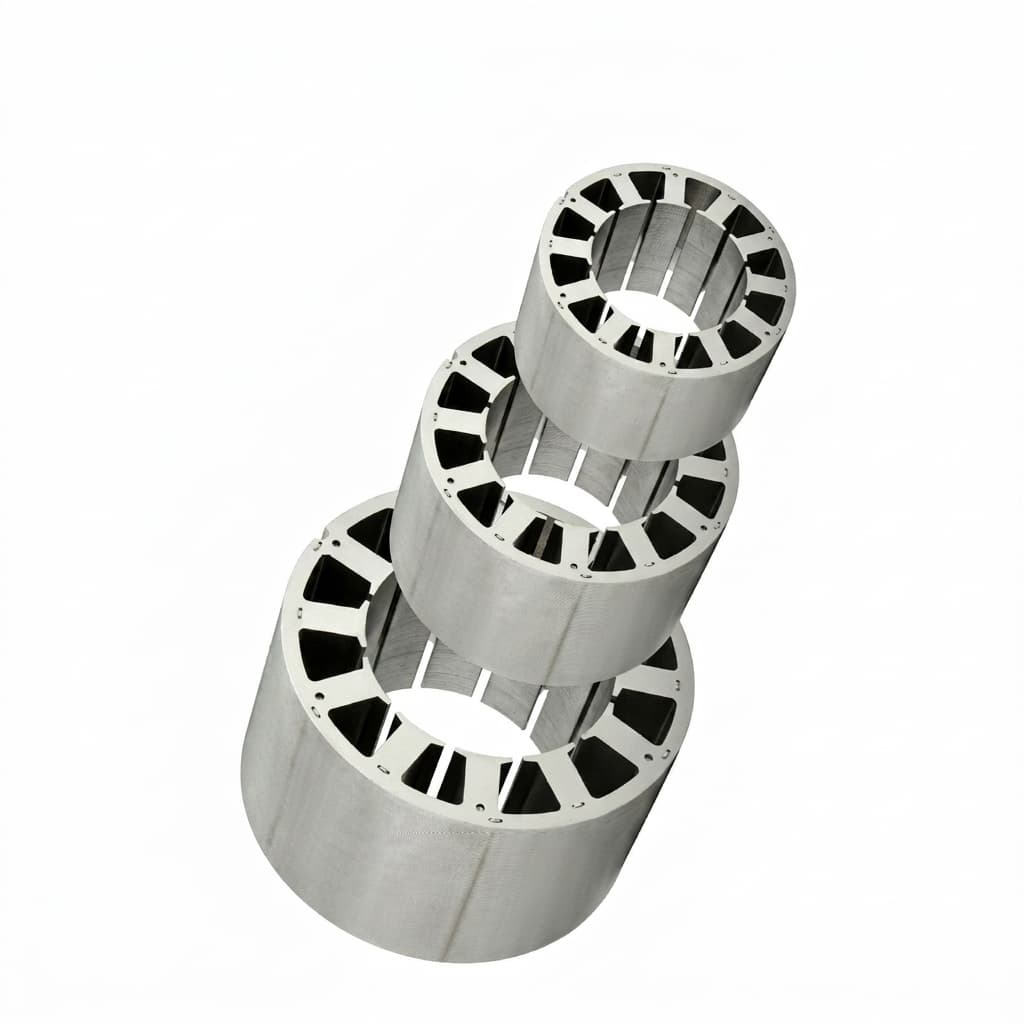
How to Audit a B2B Motor Manufacturer: Evaluating OEM Capabilities
A buyer's guide to auditing motor manufacturers. Learn how to evaluate testing labs, dyno capacity, and quality control in magnet-free motor production.
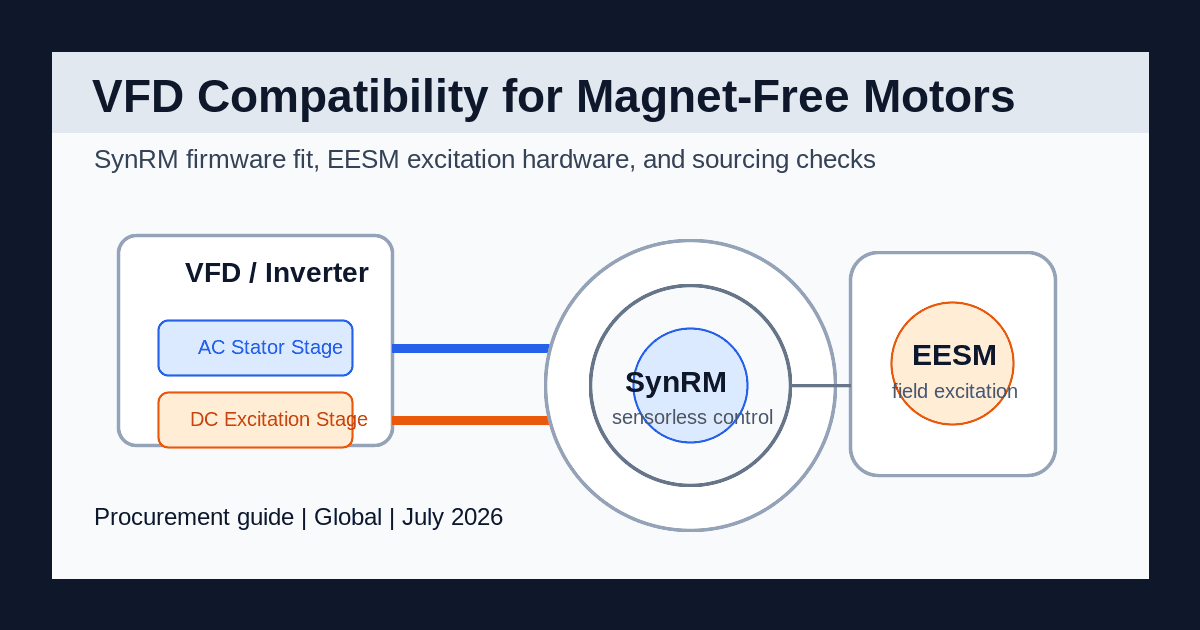
VFD Compatibility with Magnet-Free Motors: SynRM and EESM Sourcing Guide
Compare VFD compatibility for magnet-free motors in 2026: SynRM firmware, EESM excitation hardware, retrofit limits, sourcing checks, and request RFQ review.
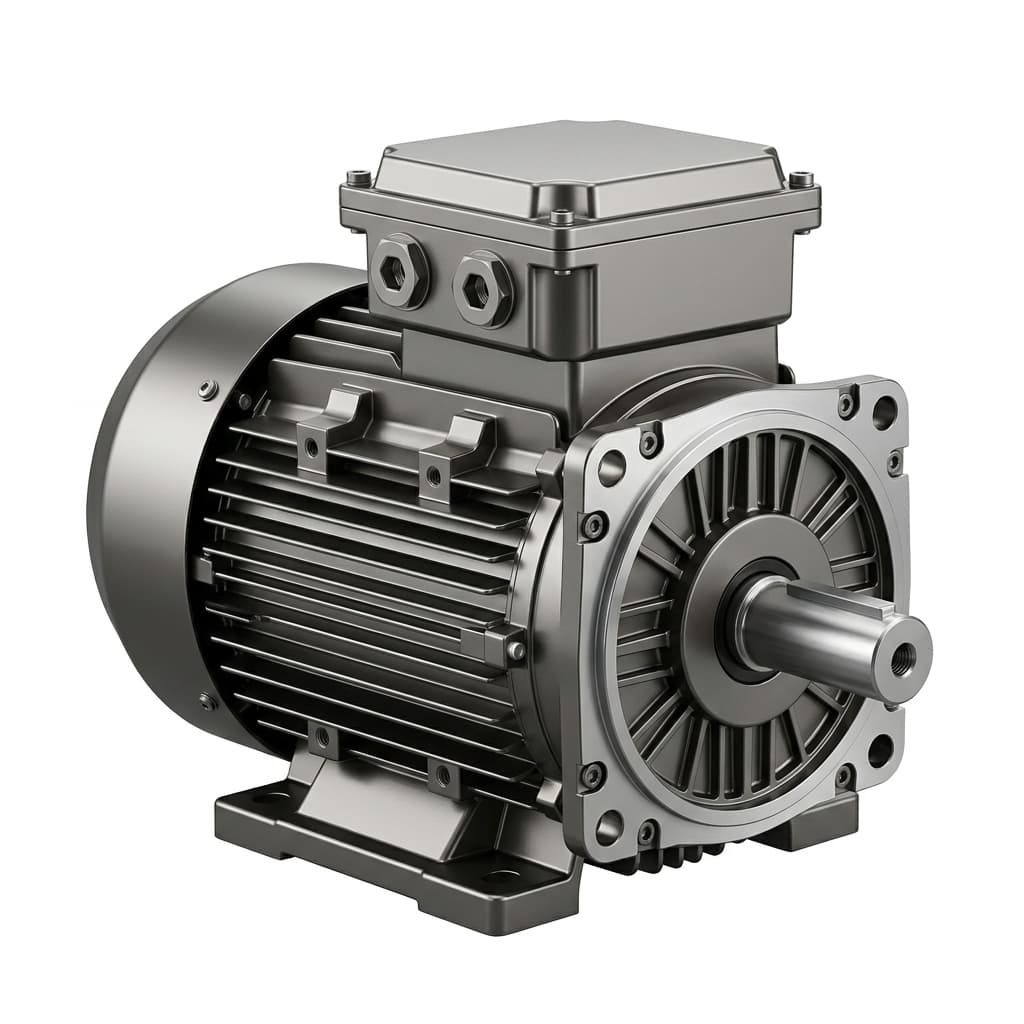
IE5 Motor Efficiency Standards Explained: Do You Need Magnets to Comply?
Understand the IE5 Ultra-Premium Efficiency standard. Learn how Synchronous Reluctance Motors (SynRM) achieve IE5 compliance without rare-earth magnets.